Texas Private Well Problems
Well Water Smells Like Rotten Eggs in Texas
A rotten egg smell in well water usually points to hydrogen sulfide gas, sulfur bacteria, or a reaction inside the water heater. The smell is common in private wells, but it still deserves a real water test before anyone starts buying filters or blaming the aquifer.
Quick Answer
Most likely cause
Hydrogen sulfide gas, sulfur-reducing bacteria, iron bacteria, or a water heater anode reaction.
First question to ask
Does the smell happen in hot water only, cold water only, or every tap in the house?
First test to run
Start with bacteria, pH, TDS, iron, manganese, and hydrogen sulfide if the lab or field kit supports it.
When to move faster
If the odor appears suddenly after rain, flooding, well work, or a change in water color, test before drinking.
What the Rotten Egg Smell Usually Means
The rotten egg smell is usually hydrogen sulfide. In a Texas private well, that can come from groundwater chemistry, bacteria living in low-oxygen parts of the well system, stagnant plumbing, or a reaction in the water heater. The smell can be strong even when the actual concentration is low, so odor alone does not tell you whether the water is unsafe.
That is the part that trips people up. A sulfur smell is often a nuisance problem, but it can also be a warning sign that something changed in the well system. If the water also turns brown, cloudy, black, oily, slimy, or metallic, treat it as more than an odor problem.
Hot Water Only vs. Cold Water and Hot Water
Start with a simple tap test. Run cold water from a sink and smell it. Then run hot water from the same sink. If only the hot side smells, the water heater is the first suspect. A magnesium anode rod, warm stagnant water, or bacteria inside the tank can create the odor even when the well itself is not the main issue.
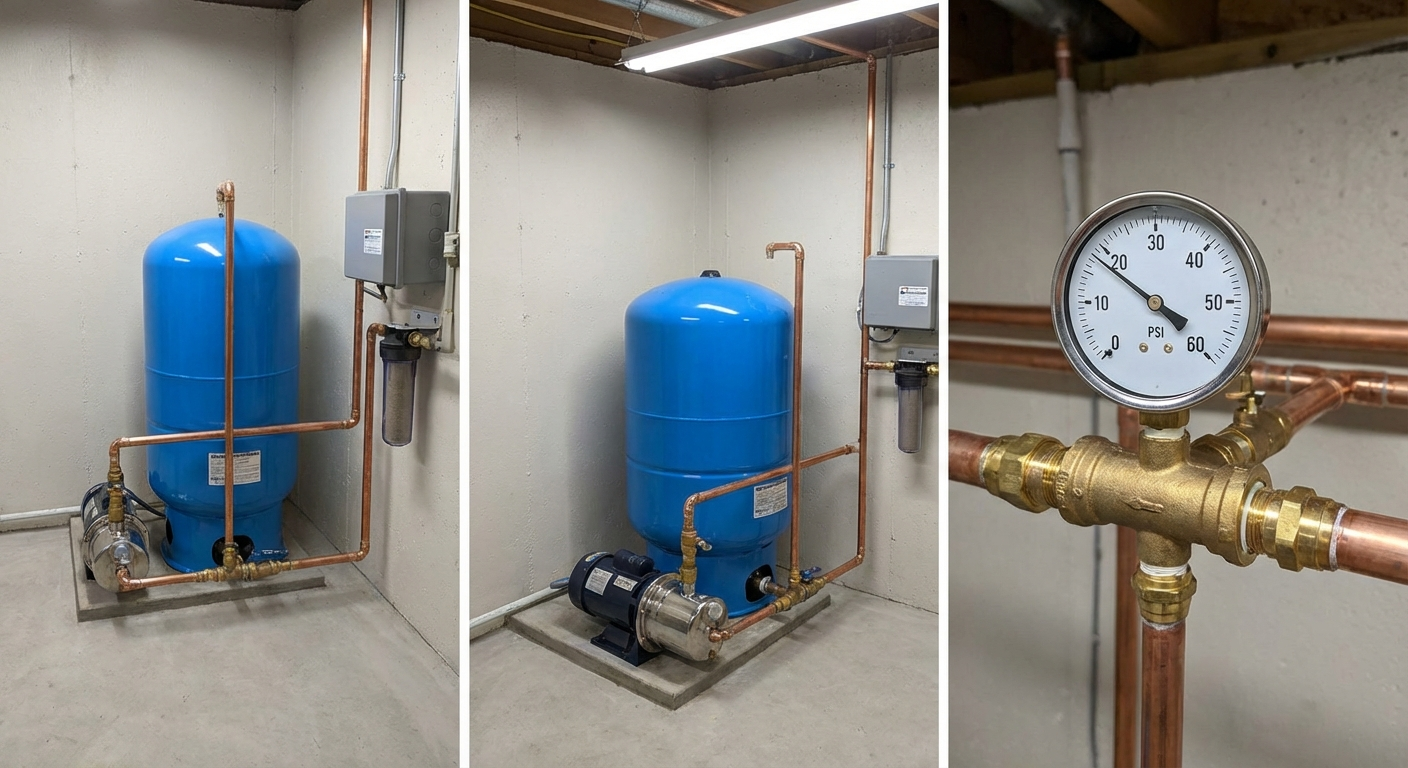
If both hot and cold water smell at several fixtures, the problem is more likely in the well water, pressure tank, treatment equipment, or plumbing system. If the smell is strongest when water first starts running and fades after a few minutes, stagnant water in pipes or the pressure tank may be contributing.
Common Causes in Texas Well Systems
Hydrogen sulfide in groundwater. Some wells pull from aquifer zones where sulfur compounds and low-oxygen conditions make hydrogen sulfide more likely. This can happen in deep wells, older wells, or wells that have sat unused for a while.
Sulfur-reducing bacteria. These bacteria can live in wells, pressure tanks, plumbing, or treatment equipment. They are usually treated as a nuisance rather than a direct health threat, but their presence can create odor, slime, corrosion, and recurring maintenance issues.
Water heater reactions. If the odor is mostly in hot water, the water heater deserves attention before the well gets blamed. A plumber or water treatment professional may check the anode rod, tank condition, temperature, and whether the heater needs flushing or sanitizing.
Iron or manganese problems. Sulfur odor often shows up with orange staining, black staining, metallic taste, or slime in toilet tanks. That points toward a broader water chemistry issue, not just a smell.
Surface water getting into the well. A damaged well cap, poor grading, cracked casing, or flooding around the well head can let surface contamination enter the system. If odor appears after heavy rain, that is a different risk category.
Is Sulfur Smell in Well Water Dangerous?
Often, sulfur odor is not the most dangerous thing in the water. The bigger problem is that dangerous contaminants can be invisible. Bacteria, nitrates, arsenic, lead, and other contaminants may have no taste, color, or smell at all.
That is why TurnkeyWells does not recommend treating by smell alone. The right move is to test first, then pick the treatment. Otherwise a homeowner can spend thousands on a softener, carbon filter, or oxidizing system and still miss the real problem.
What to Test First
For a Texas private well with rotten egg odor, start with a practical panel:
- Total coliform bacteria and E. coli
- Nitrates, especially if children, pregnant women, or livestock use the water
- pH and total dissolved solids
- Iron and manganese
- Hydrogen sulfide if available through a field kit or local professional
- Hardness and alkalinity if treatment equipment is being considered
The CDC recommends annual testing of private wells for total coliform bacteria, nitrates, total dissolved solids, and pH. If the smell is new or the property is being bought or sold, waiting until next year is the wrong move.
What a Well Professional Should Check
A good inspection does not stop at the kitchen faucet. The well cap, casing, pressure tank, pump behavior, water heater, treatment equipment, and drainage around the well head all matter. The pro should also ask when the smell started, whether the house sat vacant, whether the well was recently shocked, and whether the odor changes after rain.
For rural Texas properties, the history of the well matters too. Older wells may not have complete modern records. Some wells are registered clearly with TWDB. Others are older, plugged, mislocated, or missing from the obvious databases. That is one reason a TurnkeyWells Free Well Check is useful before assuming the current system is the only water feature tied to the property.
What This Means When Buying or Selling Texas Property
A sulfur smell is not automatically a deal killer, but it is a negotiation issue. Buyers want to know whether the problem is a water heater, a treatable water quality issue, a failing well component, or a contamination risk. Sellers need documentation before a small nuisance becomes a closing objection.
If the property has a private water well, the water well information can also matter for Texas real estate disclosure. Our TREC Form 61-0 water well disclosure guide explains why well records, plugged wells, shared wells, and groundwater district information should be reviewed before closing.
Before You Drill a New Well
If the existing well has recurring sulfur odor, iron staining, low yield, or expensive treatment needs, a new well may come up in the conversation. Do not make that decision from one odor complaint. Neighboring well depth, yield, aquifer, water quality, and driller history all matter.
The TurnkeyWells Pre-Drill Intelligence Report is built for that question. It looks at nearby well records, depth patterns, groundwater district rules, and local drilling conditions so a property owner can make a better decision before spending real money.
Do Not Guess at a Well Water Problem
If your Texas well water smells like rotten eggs, start with records, testing, and a basic system check. TurnkeyWells can help you understand what is already known about the property before you pay for the wrong fix.
Start with a Free Well CheckNeed help with this well issue?
Contact TurnkeyWells and we can connect you with a licensed local professional.
Tell us what is happening with the well, where the property is located, and whether this is for a home, land purchase, listing, or repair situation. We will help you understand the next step and connect you with a licensed water well professional in your area when field work is needed.
TurnkeyWells is not the drilling or repair contractor. We help property owners review records, organize the issue, and get connected with qualified local help.