Camp County, Texas
Water well drilling in Camp County
TurnKey Wells helps Camp County property owners move from questions to a clear drilling estimate. Tell us where the property is and what the well needs to support.
- Address-based project intake
- Property-specific planning
- Clear next steps
Have land in Camp County? Start with the property address and your water needs.
What nearby household well records tell you
Camp County has 142 usable domestic total-depth logs. Their median reported depth is 522 feet, and the middle half runs from about 462 to 582 feet. The upper planning marker reaches about 622 feet, while the full recorded domestic range runs from 60 to 827 feet.
Pump entries reinforce the same planning picture. Among 129 usable domestic pump-depth logs, the median is 336 feet, the middle band runs from about 280 to 400 feet, and the upper planning marker is about 440 feet. The finished household system—not the hole alone—is what the property has to support.
Recorded domestic well depths
The middle half of reported domestic depths
Camp County records serve different purposes
The county file is not one group of identical water wells. Separating household wells from monitoring, environmental, stock, irrigation, and public-supply records makes the local depth picture more useful.
Domestic wells
Usable household total-depth logs. The median is 522 feet, the middle half runs from about 462 to 582 feet, the upper planning marker is about 622 feet, and the recorded range is 60 to 827 feet.
Stock wells
Records tied to livestock and ranch use average about 487.7 feet in the approved Camp County file. They add regional context, but they should not replace nearby household comparables when planning a residential supply well.
Irrigation wells
Irrigation records average about 529.2 feet in the approved county file. Their intended use and demand differ from a household well, so they belong in a separate comparison group.
Monitoring and environmental records
This group includes 82 monitor wells averaging about 25.2 feet and 14 environmental soil borings averaging about 15.4 feet. These shallow records describe different work and should not be blended into a household-well depth expectation.
Public-supply wells
Two public-supply wells average about 741.5 feet, and the county file also includes smaller industrial and test-well groups. Keep those records as supporting context rather than treating them as ordinary household completions.
Mixed-use records can make Camp County look shallower than household wells are
Domestic, stock, and irrigation records point to much deeper work than the county’s monitoring and environmental rows. Keeping those groups separate prevents a shallow blended average from becoming a misleading household budget assumption.
Source and method: Texas Water Development Board Submitted Driller’s Reports. Camp County records are grouped by reported use, and this page summarizes the approved depth markers within those groups. Data accessed August 16, 2026.
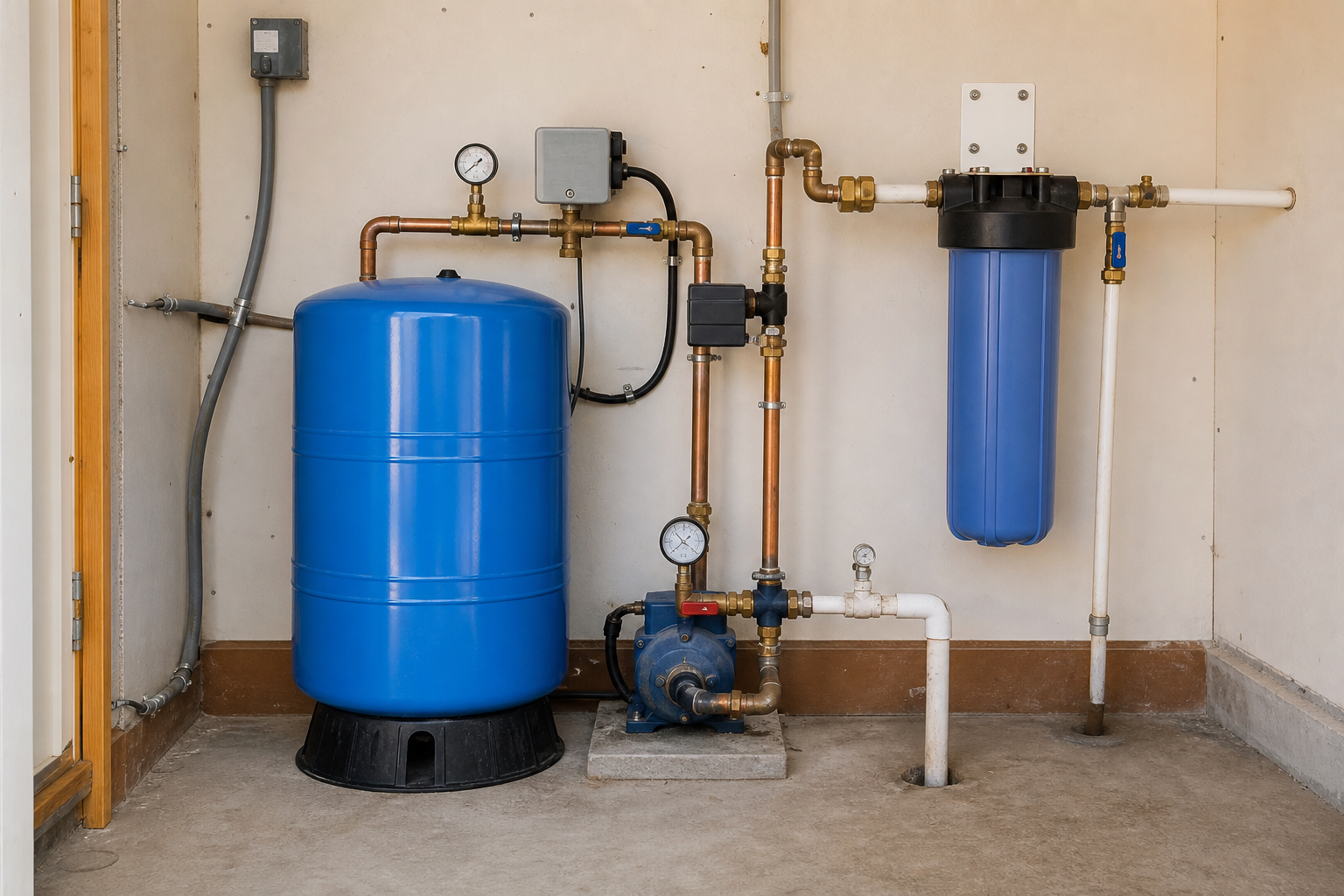
The complete job is more than drilling by the foot
Camp County’s deeper household record makes the complete system especially important. A useful estimate should account for the property, how the water will be used, and the equipment needed to deliver it.
Property access
Red-clay drives, wet-weather access, gates, tree clearing, overhead lines, slopes, and room for the drilling rig.
Water demand
Home use, livestock, irrigation, storage, and peak daily needs.
Pump and power
Pump setting, electrical service, controls, pressure tank, line runs, and trenching.
Complete installation
Casing, testing, treatment, storage, plumbing, cleanup, and startup.
Get a drilling estimate built around what your Camp County property actually needs.
Share the address, intended use, and timing. We will follow up to understand the project and explain the next step.
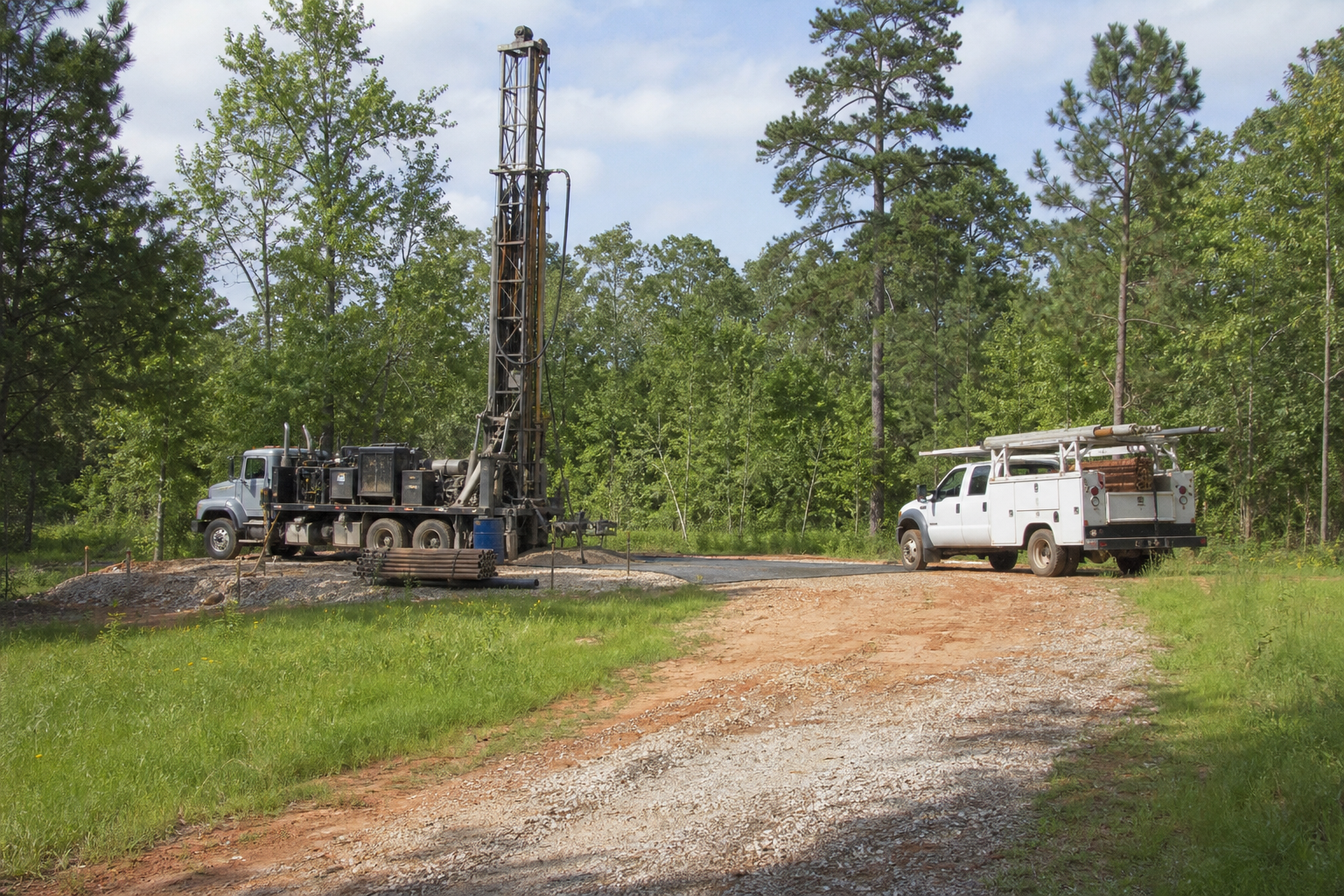
Know what should be included before work begins
A drilling quote is easier to compare when each major piece is visible. For a deeper Camp County household well, the pump setting, electrical support, pressure equipment, storage, treatment, service access, and line runs can matter as much as the drilling footage.
- Mobilization and setup
- Drilling and casing
- Pump and controls
- Pressure tank
- Power and trenching
- Storage and treatment
- Water testing
- Site cleanup
Pre-Drill Intelligence Report
The county information on this page shows broad patterns. The paid report narrows the research to one Camp County property before you compare drilling quotes or choose the next step for your land.
- Nearby recorded wells and reported depths
- Property access and site-planning questions
- Questions to ask before drilling begins
- A clearer picture of the complete water system
Understand the ground before you drill. See nearby recorded well depths, Carrizo-Wilcox Aquifer context, and local planning details organized around your property so you can ask better questions before drilling begins.
From property address to drilling conversation
Tell us about the property
Share the address, how the water will be used, and when you hope to begin.
We review the project
We look at the location and follow up for any details needed to discuss the estimate.
Plan the drilling work
You receive a clear next step for the drilling quote and complete water system.
Plain answers before you plan the work
What do Camp County household well records show?
The approved file includes 142 usable domestic total-depth logs with a 522-foot median and a middle band of about 462 to 582 feet. The recorded range is wider, so a property-level review is still needed before treating any county figure as a site expectation.
Why can a Camp County average be misleading?
The county file includes shallow monitor wells and environmental soil borings as well as much deeper domestic, stock, irrigation, and public-supply records. Separating records by reported use produces a more useful planning picture.
What is the difference between a drilling quote and the $199 report?
A drilling quote prices the proposed work and equipment. The Pre-Drill Intelligence Report organizes nearby records, aquifer context, and site-planning questions around one property before you compare quotes.
What should a complete drilling quote include?
Look for mobilization, drilling, casing, pump and controls, pressure tank, power or trenching, testing, treatment or storage where needed, startup, and site cleanup.
What information helps prepare a drilling estimate?
Share the property location, site access, intended water use, expected demand, available power, and any existing well information so the estimate can reflect the work the site may require.
Water Well Drilling Across Camp County
From acreage around Pittsburg and Leesburg to rural properties near Scroggins, Newsom, and Lake Bob Sandlin, Camp County well-planning needs vary with access, red-clay roads, tree cover, household demand, power, storage, older well history, and nearby domestic records. Whether the goal is water for a home, livestock, or irrigation, start with the property location and intended use so the estimate can reflect the work the site may require. Request a drilling estimate to discuss the right next step for your Camp County property.
Tell us about your Camp County property.
Send the basics and we will follow up to learn what you need, answer initial questions, and discuss the next step toward a water well drilling quote.
- No long questionnaire
- A real follow-up about your property
- Clear options for drilling and pre-drill planning
Request a Water Well Drilling Quote
Tell us where the property is and what the well needs to support.
Your information is used to respond to this request. Privacy Policy