
Texas has more than 700,000 private water wells, and if your property relies on one, understanding how it works is not optional. This guide covers what every Texas well owner needs to know: how to spot problems early, how to research your well’s history, and how to work with licensed professionals when something goes wrong. More than 30% of Texas well owners have never had their well inspected — this guide changes that.
Need help with your well?
Get a Free Well CheckWhat Every Texas Well Owner Should Know
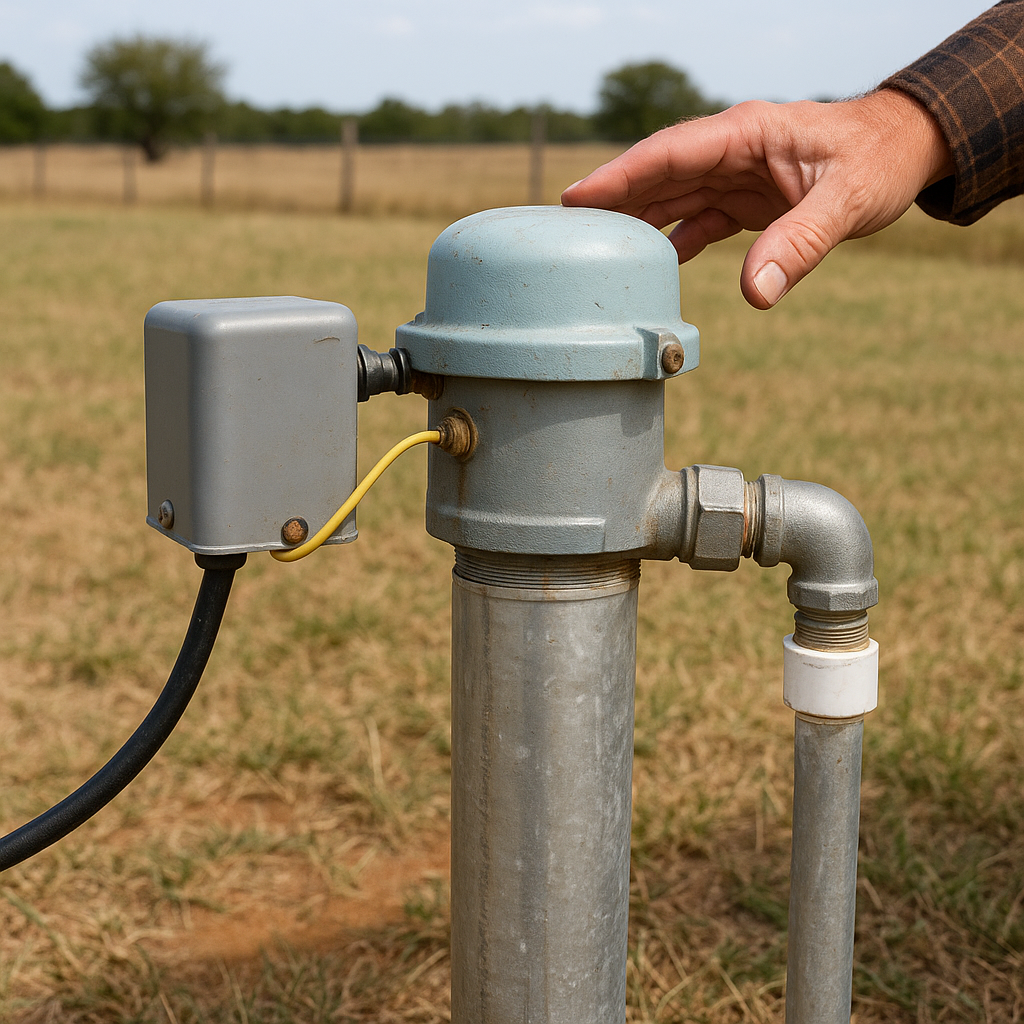
A private water well is a long-term infrastructure asset. The average Texas residential well is designed to last 20 to 40 years, but that lifespan depends entirely on how well it is maintained. Most well systems include a pump, pressure tank, and wellhead casing — and each component has its own wear patterns and failure points.
Texas law requires licensed water well drillers and pump installers for most well work. The Texas Department of Licensing and Regulation (TDLR) maintains a database of licensed professionals and logs well completion reports. These records are the foundation of any honest well history search.
Well depth matters significantly in Texas. The state’s geology varies by region — the Ogallala Aquifer in the Panhandle behaves differently than the Trinity Aquifer in North Texas or the Gulf Coast Aquifer in the Houston area. A well drilled into the right aquifer at the right depth delivers reliable water for decades. One that misses the mark may show declining yields within a few years.
Annual water testing is the single highest-value maintenance task a well owner can perform. The EPA recommends testing for coliform bacteria, nitrates, and pH at minimum. Many Texas counties with agricultural activity also warrant testing for arsenic, iron, and sulfates. A simple test kit from a certified lab costs less than $100 and gives you a clear picture of water quality.
Common Well Issues and Warning Signs
Most well problems give you warning signs before they become failures. Knowing what to look for can save thousands in emergency repair costs. Here are the issues Texas well owners encounter most often:
- Low water pressure or inconsistent flow — Often signals a failing pump, a waterlogged pressure tank, or a declining water table. Have a licensed pump installer evaluate the system before assuming the worst.
- Discolored or cloudy water — Brown or rust-colored water usually points to iron or sediment. Cloudy water may indicate bacterial contamination. Test before treating.
- Bad taste or odor — Sulfur smells (rotten egg odor) are common in certain Texas aquifers. Other odors may indicate surface contamination reaching the well.
- Air spitting from faucets — This typically means the pump is pulling air, which can indicate the water table has dropped below the pump intake.
- Sudden spike in electricity bills — A submersible pump running harder than normal draws more power. This is often an early sign of pump wear.
- Visible damage to the wellhead or casing — Cracks, corrosion, or a sunken wellhead allow surface water to enter the well, which is a serious contamination risk.
If you see more than one of these signs at the same time, do not wait. Call a licensed Texas well professional for an on-site inspection. Catching a pump failure before it stops working completely is always cheaper than an emergency replacement.
Understanding Your Well’s History
Every permitted water well drilled in Texas generates a completion report filed with the Texas Water Development Board (TWDB). These reports document the well’s depth, casing diameter, static water level, and the aquifer it taps. For buyers and existing owners alike, these records are invaluable.
TurnkeyWells maintains a searchable database of more than 1,000,000 Texas water wells. A well history search pulls the original driller’s log, any pump records on file, and depth information that helps predict current yield and lifespan. For real estate transactions, this data answers the question buyers and sellers both need answered: what is the actual condition and history of this well?
Texas real estate disclosures require sellers to report known water well conditions. The TREC Form 61-0 Texas Water Disclosure is the standard document used in residential transactions involving private wells. Understanding what that form asks — and what the answers mean — is something every buyer, seller, and agent working in rural Texas should know before closing.
If you purchased a property without a well inspection or disclosure, you may be flying blind. A well history search gives you the foundation you need to understand what you own and what questions to ask a licensed professional.
Check Your Property’s Well History
Search our database of 1,000,000+ Texas wells and get answers before your next inspection or closing.
Search Well HistoryWorking with Licensed Well Professionals
Texas law requires that anyone drilling a new well or installing a pump on a well hold a license from the Texas Department of Licensing and Regulation. This protects property owners from substandard work that can contaminate aquifers and void property insurance coverage.
When hiring a well driller or pump installer, verify their TDLR license number before signing any contract. You can check license status at tdlr.texas.gov. A licensed professional will pull the required permits, file the completion report with the TWDB, and provide you with documentation of the work performed.
For property owners in North Texas, the DFW Metroplex has a strong network of licensed drillers who work in both urban-adjacent and rural settings. Learn more about finding qualified professionals in your area on our DFW water well drilling resource page.
Before any major well work, ask your contractor for a written scope of work, a timeline, and documentation of what warranty they provide on parts and labor. A reputable driller or installer will have no problem answering these questions.
Related Resources
- TurnkeyWells Free Well Check — Search our 1,000,000+ well database and get a property well report
- TREC Form 61-0 Texas Water Disclosure Guide — What buyers, sellers, and agents need to know about well disclosure in Texas real estate
- DFW Water Well Drilling — Licensing requirements, typical costs, and how to find qualified drillers in North Texas
Ready to learn more about your property’s water?
Start with a free well check. No obligation, no sales pitch.
Start with a Free Well Check