Texas Private Well Problems
Cloudy, Muddy, or Sandy Well Water in Texas
Cloudy or sandy well water in Texas usually points to sediment, surface water getting where it should not, a damaged well component, or a pump pulling more aggressively than the well can support. Sometimes it clears after flushing. Sometimes it is the first warning that the well needs real inspection before anyone keeps drinking it.
Quick Answer
Most likely cause
Disturbed sediment, sand intrusion, storm runoff, a damaged screen, or wear inside the pump and pressure system.
When to stop using it
If the water turned cloudy suddenly after rain, flooding, or well work, do not assume it is safe to drink until it is inspected and tested.
What to test first
Start with total coliform bacteria, nitrates, pH, total dissolved solids, iron, and manganese through a certified lab.
What to inspect first
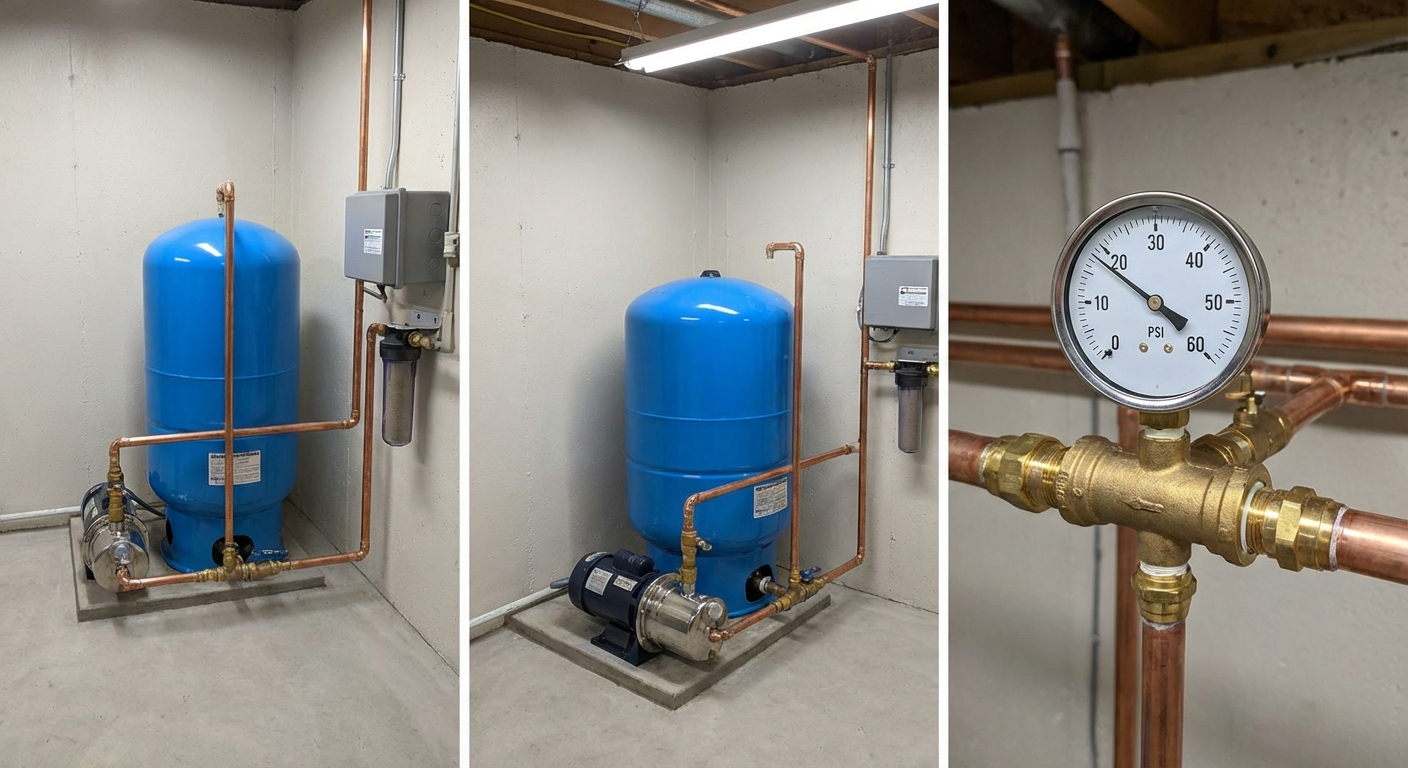
Look at the well cap, casing, drainage around the well head, filters, pressure tank behavior, and whether sand shows up at every fixture.
What Cloudy, Muddy, or Sandy Well Water Usually Means
Cloudy well water can mean different things depending on what the water is doing. Sometimes the cloudiness is just tiny air bubbles and clears in a glass after a minute or two. Muddy water, gritty water, or visible sand is a different problem. That usually means sediment is getting pulled into the system, surface water entered the well, or a component downhole is letting material move where it should not.
For Texas private well owners, the important mistake to avoid is treating every cloudy-water event like a simple nuisance. If the water changed after a storm, after flooding, after pump work, or after a long vacancy, the right move is inspection and testing first. Sediment by itself can foul fixtures, tanks, and appliances. It can also arrive with contamination risk that you cannot see.
Did It Start Suddenly or Has It Been Building?
A sudden change usually points to an event. Heavy rain may have pushed runoff toward the well head. A cracked or loose cap may have let debris in. A recent pump or plumbing repair may have stirred up settled material. In some systems, sand appears when the pump cycles hard and pulls from a zone that was stable before.
A slow increase in cloudiness over weeks or months points more toward wear or accumulation. Filters may be loading up faster. A screen may be failing. The pump setting or drawdown conditions may no longer match what the well can comfortably produce. If the house also has low pressure, compare it with our guide to low water pressure from a private well in Texas because both symptoms often show up together when the system is struggling.
Common Causes in Texas Well Systems
Storm runoff or surface infiltration. If the water turned dirty after heavy rain, poor grading around the well, a damaged cap, or casing problems may be allowing surface water to enter. That is not just a sediment problem. It raises bacteria and contamination questions too.
Sand or sediment from the well itself. Some wells start producing grit when the screen, gravel pack, or pump intake conditions change. This can happen in older wells, wells with aggressive pumping, or wells where the water level has shifted during drought or heavy use.
Work inside the well or plumbing system. Pump replacement, tank work, plumbing repairs, and extended vacancy can stir up material that had settled out. The water may improve after flushing, but that does not prove the problem was harmless.
Filter or treatment equipment overload. Sediment filters, spin-down separators, and treatment equipment can fail or clog when the incoming water quality changes. Owners sometimes see cloudy water at one fixture and assume the aquifer changed when the actual trouble is on the house side.
Minerals mixed with sediment. Cloudy water can overlap with orange staining, metallic taste, or dark residue if iron or manganese are part of the picture. If the color leans rusty or orange, review our guide to brown, rusty, or orange well water in Texas as well.
Texas-Specific Context Matters
Private wells in Texas do not all behave the same way. A shallow domestic well, an older ranch well, and a deeper house well can each show sediment for different reasons. In some counties, nearby records already show repeated pump resets, deepening, or comments about sand and yield. In others, the raw groundwater may be fine and the house-side equipment is the real issue.
That is why property context matters before you buy equipment or schedule drilling. A TurnkeyWells Free Well Check can help confirm what is known about the property’s well record and nearby context. If repeated sand, low yield, or deteriorating water quality is pushing the owner toward replacement drilling, the TurnkeyWells Pre-Drill Intelligence Report is the better place to compare nearby well depths, patterns, and groundwater district context before spending serious money.
When Cloudy Water Is a Drinking-Water Risk
Cloudiness alone does not tell you what is in the water. It does not confirm bacteria, and it does not rule it out. The risk gets higher when the change is sudden, when the water followed flooding or runoff, when the well cap or casing looks compromised, or when the water also smells odd, turns brown, or causes stomach concerns in the household.
This is where caution matters. TurnkeyWells does not give medical advice. For safety concerns, use certified lab testing, follow local health department guidance, and work with qualified water well or water treatment professionals. If babies, pregnant women, elderly family members, or medically vulnerable people use the water, do not rely on appearance alone.
What to Test First
For cloudy, muddy, or sandy private well water in Texas, a practical starting panel usually includes:
- Total coliform bacteria and E. coli
- Nitrates, especially if children or pregnant women may use the water
- pH and total dissolved solids
- Iron and manganese when staining or metallic taste is present
- Any additional region-specific tests recommended by a certified lab or local health department
Annual testing is a good baseline for private wells, but a sudden water-quality event is not the moment to wait for the annual reminder. Use a certified lab and document what changed, when it changed, and whether the well has had recent storm exposure or mechanical work.
What a Well Professional Should Check
A good field visit should go beyond filling a clear cup at the sink. The pro should inspect the well cap, casing condition, drainage around the well head, pressure tank, filters, pump behavior, and whether sand appears before or after treatment equipment. On some properties, the answer is a well service call. On others, a plumber needs to fix a house-side issue first.
TurnkeyWells is not the drilling or repair contractor. We help property owners organize the records, understand what symptoms point to, and identify the next diagnostic step before the wrong contractor gets called or the wrong equipment gets installed.
What This Means for Buyers and Sellers
Cloudy or sandy water during a showing or inspection creates immediate doubt. Buyers start thinking about contamination, failing well components, and whether they are walking into a pump or replacement-well problem. Sellers need to know whether the issue was a one-time storm event, a filter problem, or evidence of a deeper system condition that should be disclosed and resolved.
If the property has a private well, this is exactly the kind of issue that should slow the deal down long enough for real due diligence. Our TREC Form 61-0 Texas water disclosure guide explains why well records, shared-well questions, plugged wells, and surrounding groundwater context matter before closing. Dirty water in one faucet is a symptom. Poor well records and no testing history are the bigger transaction risk.
Do Not Guess at Sediment or Dirty Well Water
Cloudy or sandy well water can come from a simple disturbance, a damaged component, or a bigger well-head contamination problem. TurnkeyWells helps Texas property owners understand the records, likely causes, and next step before they spend money in the wrong place.
Start with a Free Well CheckNeed help with this well issue?
Contact TurnkeyWells and we can connect you with a licensed local professional.
Tell us what is happening with the well, where the property is located, and whether this is for a home, land purchase, listing, or repair situation. We will help you review the issue, organize the next step, and connect you with a licensed water well professional in your area when field work is needed.
TurnkeyWells is not the drilling or repair contractor. We help property owners review records, understand likely risk points, and get connected with qualified local help.