
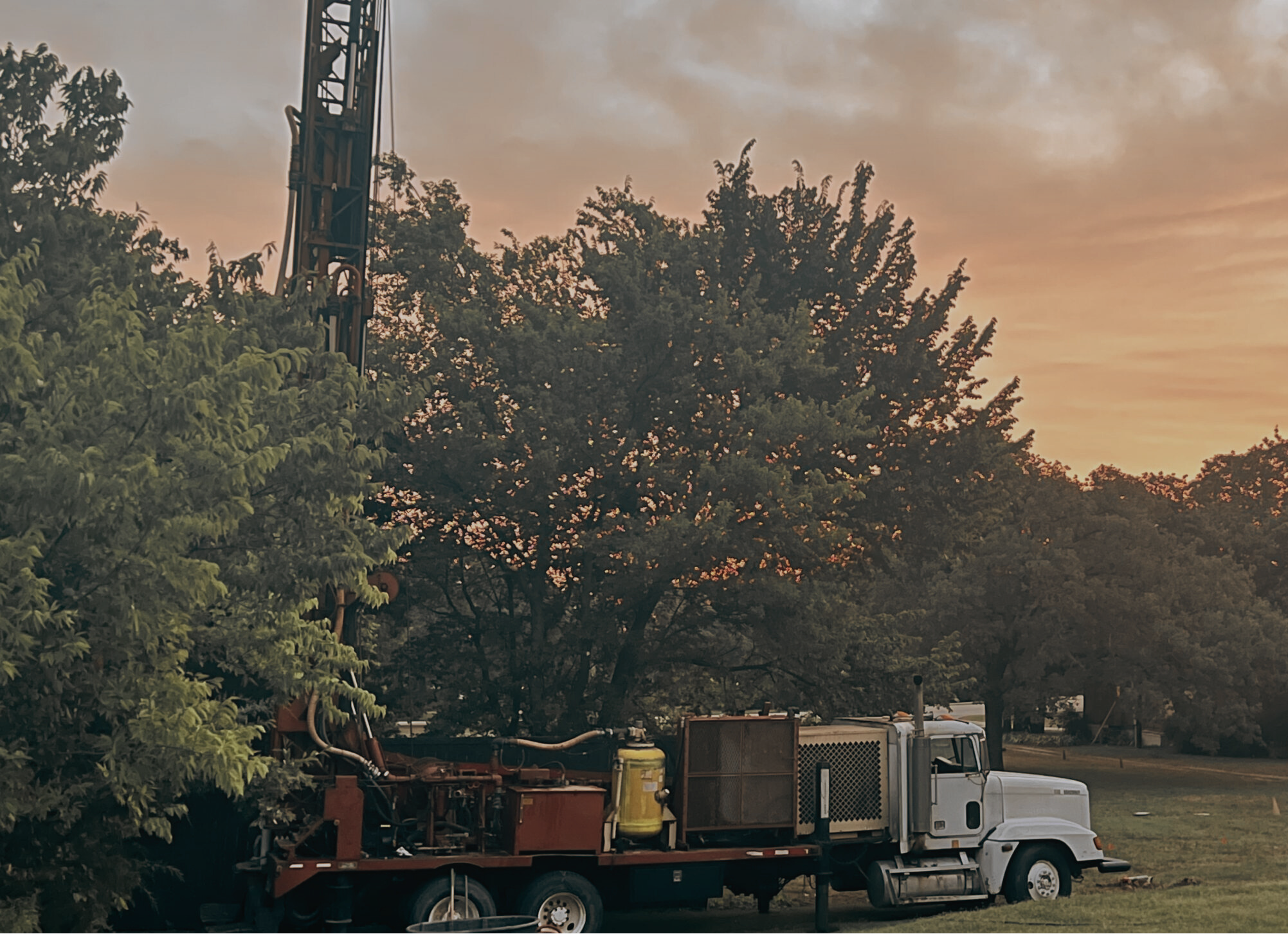
How Much Does It Cost to Drill a Water Well in Texas?
Drilling a residential water well in Texas typically costs between $25,000 and $45,000+ for a complete installation, with some projects running higher depending on depth, geology, and location. That range covers the full scope: drilling, casing, pump, pressure tank, plumbing, and electrical hookup. It does not include permits, which add to the total.
If you are planning a well for a home, ranch, or rural property in North Texas, here is what drives the cost and what you can expect for your specific area.
Average Well Costs by Region in Texas
Texas is a large state with significant geological variation. The depth you need to reach reliable water, and the ease of drilling through the rock between the surface and that water, both change depending on where your land is located.
North Texas / DFW Area
Wells in the DFW metro counties typically reach the Trinity Aquifer or the Woodbine formation. Depths in this region commonly range from 300 to 600 feet, depending on the specific county. A complete turnkey installation in Parker, Hood, Wise, or Johnson County generally runs $25,000 to $35,000.
Tarrant and Dallas counties sit largely within municipal water service areas, so residential well drilling is less common there. Properties on the outer edges of the metro, in areas without access to municipal lines, are the most active market.
Parker, Hood, and Wise Counties
These counties are among the most active for residential well drilling in North Texas. The Trinity Aquifer is the primary target, with typical depths of 350 to 550 feet. Well yields in this region are generally adequate for residential use, though flow rates vary by site. Most projects here come in between $25,000 to $35,000 for a complete installation.
Erath, Somervell, and Bosque Counties
Properties further southwest tend to require deeper drilling to reach reliable yields. Depths of 500 to 700 feet are not uncommon in this area. That additional drilling footage pushes costs up, with many projects running $28,000 to $40,000 or more.
East Texas (Henderson, Rusk, Nacogdoches)
East Texas has shallower water tables in many areas, with some wells reaching water at 100 to 250 feet. Costs in this region can run lower, in the range of $25,000 to $35,000, though sandy and unstable formations can complicate drilling and casing.
What Affects the Cost of Drilling a Well in Texas
Depth
Drilling contractors typically price per foot drilled, with rates in Texas running $20 to $35 per foot for the drilling itself. A 400-foot well costs more to drill than a 200-foot well, and a 600-foot well costs more than a 400-foot well. Depth is the single biggest variable in the total project cost.
The depth you need depends entirely on where your property sits relative to the available aquifer. This is not something you can change. A licensed driller with local experience and access to Texas Water Development Board well records can give you a realistic depth estimate before any work begins.
Geology
Some formations are easier to drill through than others. Soft limestone and sandy formations drill faster and wear less on equipment. Hard granite, chert, or consolidated limestone takes more time and more wear on drill bits, which increases the cost. Parts of Central Texas with hard limestone formations tend to run on the higher end of the cost range for this reason.
Casing Material
The well casing is the pipe that lines the borehole from the surface down into the water-bearing zone. Steel casing is more durable but costs more than PVC. Most residential applications in Texas use PVC or steel depending on depth and formation. Casing typically adds $2,000 to $5,000 to the project cost depending on depth and material.
Pump and Pressure System
A submersible pump, pressure tank, and basic electrical connections are required to get water from the well into your home. This portion of the project typically runs $3,500 to $8,000 for a standard residential setup. Variable-speed pump systems, which reduce energy consumption and extend pump life, cost more upfront but reduce long-term operating costs.
Permits
Texas requires a well permit through the applicable Groundwater Conservation District (GCD) for most new well installations. Permit fees vary by district but typically run $150 to $500. Some districts in the DFW area have additional reporting requirements. Your driller should handle the permit application as part of a turnkey engagement.
Full Cost Breakdown
Here is a realistic breakdown of a typical residential well project in North Texas:
| Component | Estimated Cost |
|---|---|
| Drilling (per foot x depth) | $12,000 to $20,000 |
| Casing (material and installation) | $2,000 to $5,000 |
| Submersible pump and pressure tank | $3,500 to $8,000 |
| Well permit | $150 to $500 |
| Water testing (basic) | $150 to $400 |
| Total (typical range) | $25,000 to $45,000+ |
Projects at the lower end of this range involve shallower depths and straightforward geology. Projects at the upper end involve greater depth, harder formations, or a more capable pump system.
Hidden Costs to Know About
Electrical hookup. The pump needs a dedicated electrical circuit. If your property does not already have electrical service to the pump location, you will need an electrician. Budget $3,000 to $7,000+ depending on distance, trenching required, and local electrician rates.
Pressure tank location and plumbing. Getting water from the wellhead into the house requires above-ground plumbing and a pressure tank installation. This is typically included in turnkey contracts but worth confirming before you sign.
Water treatment. Texas groundwater, particularly in areas drawing from limestone aquifers, often contains elevated hardness, iron, or sulfur. A basic water softener runs $800 to $2,500 installed. A full treatment system costs more. Testing your water before deciding on treatment is always the right first step.
Abandonment of an existing well. If your property has an old, unused well, Texas law requires it to be properly plugged and abandoned before drilling a new one. That process typically costs $500 to $1,500 depending on depth.
What a Turnkey Well Installation Includes
A true turnkey well contractor handles every phase of the project:
- Site evaluation and depth consultation using TWDB well data for your area
- Permit application with your Groundwater Conservation District
- Drilling, casing, and development of the well
- Pump and pressure tank installation
- Basic water testing
- Final connection and system startup
You should not have to coordinate between a driller, a pump company, and a plumber. A turnkey contractor manages it all under one contract.
Get a Free Well Estimate
Well costs vary enough by location and depth that a general estimate only gets you so far. The most useful number is the one specific to your property and county.
TurnkeyWells serves property owners across North Texas with licensed drilling, transparent pricing, and no-guesswork estimates. Call for a free consultation and we will give you a realistic cost range based on your specific location and the well data we have for your area.
Get a Water Well Quote
Talk to a licensed Texas well driller. We manage your project from start to finish.
Ready to Understand Your Well?
TurnkeyWells is Texas’s most comprehensive water well data platform. Search your property, know your aquifer, find a driller.
Related Articles
- Texas Cities Are Running Dry: Why Groundwater Wells Are the Answer
- TREC Form 61-0: What Texas Home Sellers Need to Know
- Texas Realtor Guide to Water Well Disclosures
- Texas Water Well Disclosure Requirements 2026