Texas Private Well Problems
Iron Bacteria in Well Water in Texas
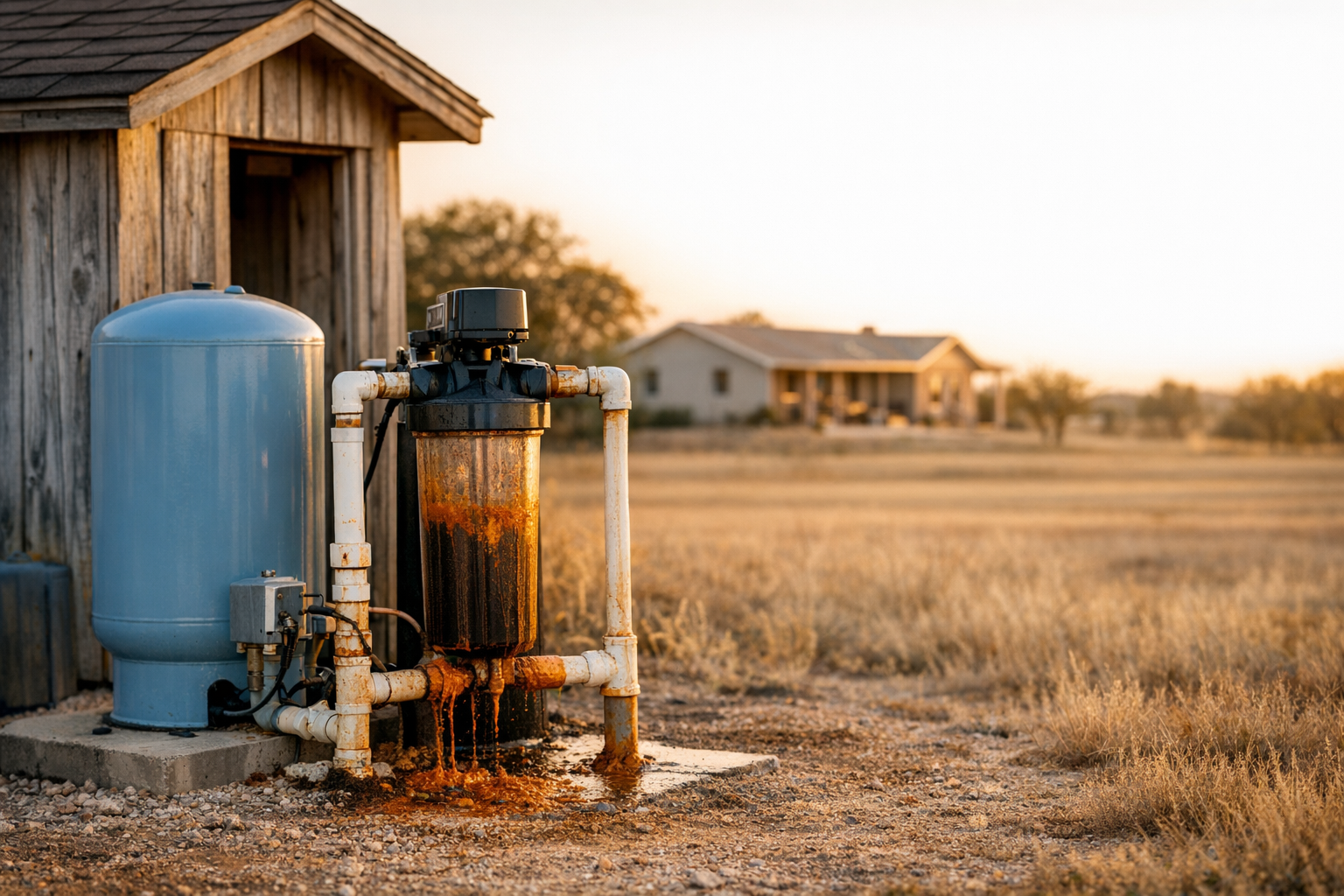
Iron bacteria in Texas well water usually show up as orange slime, oily-looking residue, staining, clogged filters, and a musty odor that keeps coming back even when the pump still seems to be doing its job. The issue is often more about nuisance buildup and well-system hygiene than an immediate emergency, but it can hide bigger water-quality and maintenance questions if you treat the slime as only a cosmetic problem.
Quick Answer
What it usually means
Iron bacteria are feeding on naturally occurring iron in the water or well environment and leaving behind slime that coats fixtures, filters, tanks, and pipes.
What owners notice first
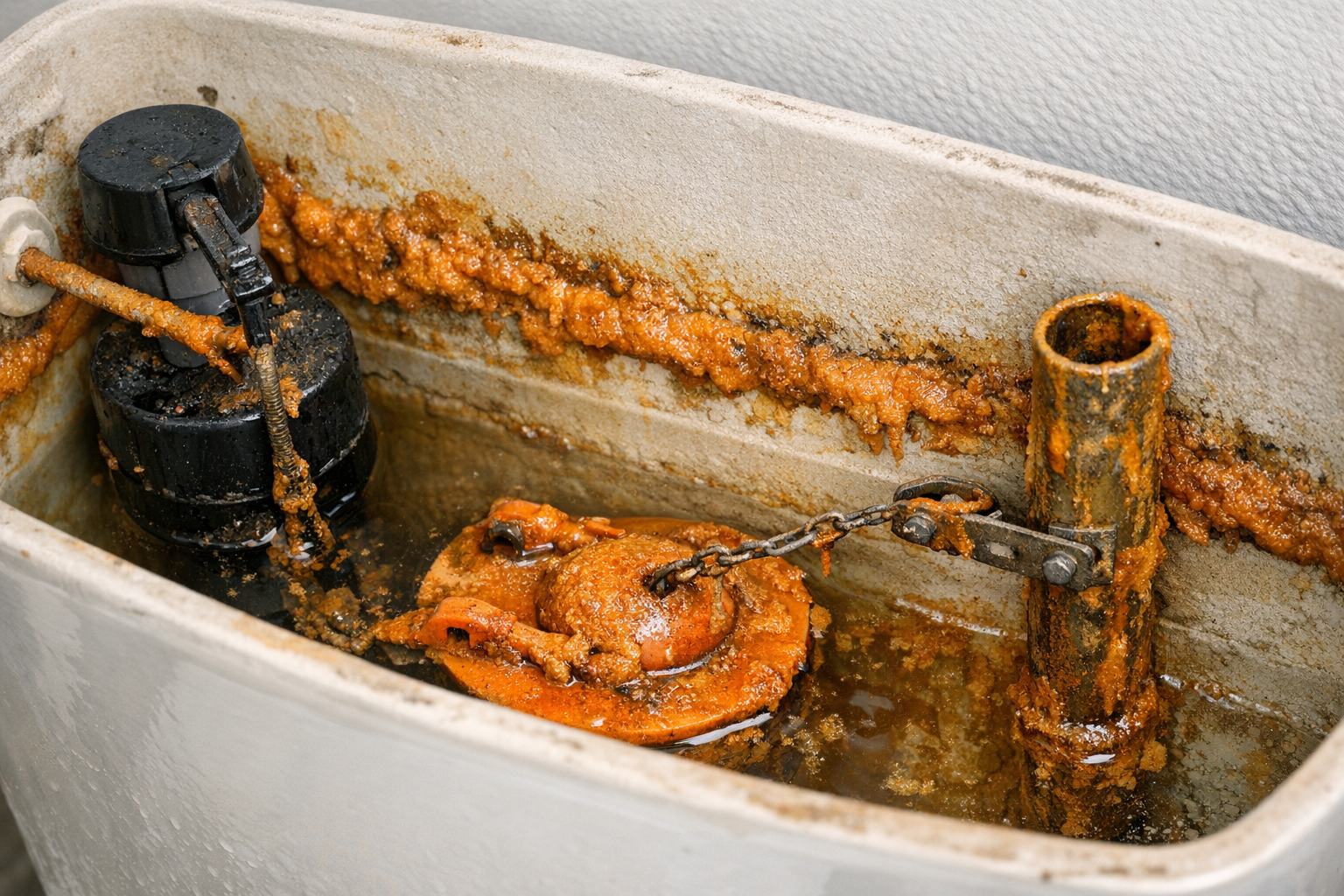
Orange or brown slime in toilet tanks, filter housings, and sink drains, staining that comes back fast, and a swampy or musty odor that does not match normal clean iron staining alone.
What to test first
Start with a certified lab panel that includes iron, manganese, pH, total dissolved solids, total coliform bacteria, and other issue-specific testing based on the property history.
When to move faster
If the water also changed color, the pressure dropped, filters are clogging quickly, or a real estate deal is active, do not guess. Get testing and qualified field inspection moving.
Why Iron Bacteria Feel Worse Than Plain Iron Staining
Dissolved iron alone can make water leave orange or brown marks. Iron bacteria add a different layer. They create a sticky slime that hangs onto pipes, filter cartridges, pump parts, pressure tanks, toilet tanks, and other damp surfaces. That is why owners often describe the problem as messy, recurring, and harder to clean than a simple stain ring on a sink.
The confusion matters because a homeowner may assume the answer is a stronger cleaner or a quick filter swap. In many Texas private well systems, that only buys a little time. The slime returns, the odor stays, and the treatment equipment starts loading up faster than expected. If the water is also leaving reddish discoloration, review our page on brown, rusty, or orange well water in Texas because iron bacteria and iron staining often overlap.
Common Signs of Iron Bacteria in a Texas Well System
Orange slime in toilet tanks, filter housings, and aerators. This is the classic sign. Owners may find gelatinous residue inside the toilet tank, along filter canisters, around softener drains, or at the edge of standing water in small plumbing components.
Recurring musty, earthy, or swampy odor. Sulfur odors have their own guide at well water smells like rotten eggs in Texas, but iron bacteria can create a different dirty-water smell that feels earthy or stale rather than pure sulfur. The odor often gets worse where water sits.
Filters and treatment equipment clogging faster than they should. Iron bacteria slime can collect on cartridges, media beds, screens, and valves. Owners sometimes blame the equipment first when the real problem is bacterial slime buildup feeding on iron in the system.
Metallic taste, orange streaks, or dark residue mixed into the complaint. If the water also tastes off, compare it with bad tasting or metallic well water in Texas. If black or dark residue shows up too, manganese may be part of the chemistry and should be tested instead of guessed at.
The slime is the clue. Iron bacteria problems are usually identified by the residue pattern and system behavior, not by one stain alone. If the well keeps fouling filters, fixtures, or treatment equipment, the smart move is to inspect the whole system instead of treating one orange spot at a time.
What Usually Causes Iron Bacteria Problems
Naturally occurring iron plus the right environment. Many Texas wells encounter iron somewhere in the groundwater chemistry. Iron bacteria do not need a dramatic contamination event to show up. They need iron, moisture, and enough time in the right conditions to build slime on surfaces.
Stagnation or neglected treatment components. Areas where water sits, where filters are overdue, or where treatment equipment has not been serviced can become trouble spots. That does not mean the equipment caused the problem, but it can make the problem more obvious and more persistent.
Well work, plumbing changes, or ownership transitions. A system that sat unused, a property inherited without service records, or equipment disturbed during repair can all bring an existing slime issue into plain view. Buyers and sellers run into this often because the first time someone really looks inside the toilet tanks or filter housings is during due diligence.
Mixed water-quality conditions. Iron bacteria can ride alongside iron, manganese, sediment, odor, or pH issues. That is why a one-product treatment guess is risky. If the water also looks cloudy or carries sediment, compare it with cloudy, muddy, or sandy well water in Texas before assuming the slime tells the whole story.
Texas Context: Why This Shows Up on Acreage and Older Private Well Systems
Texas private wells cover a huge range of geology and maintenance habits. Some rural properties have strong records and well-maintained treatment trains. Others have old filter housings, undersized softeners, unmarked bypasses, or no recent testing at all. Iron bacteria problems often become visible on the second kind of property because nobody has been watching the system closely enough to catch the early buildup.
That matters in real estate. A buyer sees orange slime and immediately wonders whether the well is unsafe, whether the system was neglected, or whether they are walking into an expensive treatment fight. A seller may honestly think it is just an iron stain. The right answer comes from current testing, equipment inspection, and a clear review of the well records instead of an argument over what the residue looks like.
What to Test Before You Spend Money on Treatment
Start with a certified lab test that looks at the actual water now. For most Texas iron-bacteria complaints, that means iron, manganese, pH, total dissolved solids, and the basic annual health panel led by total coliform bacteria and nitrates. If the property history, well location, or recent events suggest additional concerns, expand from there with a qualified local professional.
TurnkeyWells does not provide medical advice. For water-safety concerns, use certified lab testing, follow local health department guidance where appropriate, and work with qualified water well or water treatment professionals. The point is to separate a nuisance fouling problem from broader water-quality risk before anyone sells you a cure-all system.
What a Well or Water-Treatment Professional Should Inspect
A qualified professional should inspect the wellhead, treatment train, filters, pressure tank, plumbing dead legs, toilet tanks, and any places where slime is concentrating. They should also look at whether sediment, iron load, or equipment settings are helping the bacteria keep coming back. In some cases the field answer may involve cleaning or disinfection steps, but those only make sense after the system condition is actually understood.
The expensive mistake is buying treatment gear or repeated cleanouts without confirming what is happening in the well and plumbing. A system can have manageable iron in the raw water and still perform badly because the equipment is fouled, bypassed, undersized, or overdue for service.
Buyer and Seller Angle Before Closing
Iron bacteria are a red-flag conversation in a Texas transaction because they raise questions beyond appearance. Has the well been maintained? Are the filters and softener documented? Did anyone test the water recently? Has the seller ever had recurring odor or clogging problems? Those are exactly the kinds of details that belong in stronger due diligence around the TREC Form 61-0 Texas water disclosure guide.
If the issue appears while you are evaluating a property, a TurnkeyWells Free Well Check helps organize the well record story and next questions. If the bigger decision is whether the current well setup is worth continued repair attention or whether a property owner needs more context on nearby well conditions, the Pre-Drill Intelligence Report gives a clearer planning baseline before more money gets spent in the dark.
Do Not Treat the Slime Without Understanding the System
Iron bacteria are often manageable, but the right next step depends on the well, the equipment, and the water chemistry. Some owners need a better service plan. Some need field cleaning and a smarter inspection of the treatment train. Some discover the residue was only the visible symptom of a broader neglect problem. The win is not making the toilet tank look cleaner for a week. The win is understanding why the system keeps fouling and who should fix which part of it.
TurnkeyWells helps Texas property owners review the issue, organize records and next steps, and connect them with qualified local help when field work is needed. Get the context first, then let licensed field professionals handle the well or treatment work that belongs on site.
Get the Bigger Story Before You Throw More Filters at Orange Slime
TurnkeyWells helps Texas property owners review the issue, organize records and next steps, and connect them with qualified local help when field work is needed.
Start with a Free Well CheckNeed help with this well-water issue?
Contact TurnkeyWells and we can help review the issue and connect you with licensed local help.
Tell us what you are seeing, where the Texas property is located, and whether this is tied to a home, land purchase, listing, or active repair situation. TurnkeyWells can help review the issue and connect the visitor with a licensed water well professional in their area when field work is needed.
TurnkeyWells helps organize records, explain likely next steps, and connect customers with qualified local help. TurnkeyWells is not the drilling or repair contractor.