
Texas Cities Are Running Dry. Here Is Why Groundwater Wells Are the Answer
A city of 350,000 people is roughly two months away from a water emergency. That city is Corpus Christi, and what is happening there should get every Texas homeowner’s attention, especially those living in DFW.
As of March 5, 2026, Lake Corpus Christi sat below 10% capacity. The Texas Tribune and KSAT have both reported on the severity of the situation, with city officials acknowledging they are in a race against time. Governor Greg Abbott stepped in on March 10, threatening a state takeover of Corpus Christi’s water management if the city could not demonstrate it had a credible plan to avoid a full-blown crisis.
This is not a slow-moving story that might matter someday. It is happening right now.
What Corpus Christi Is Actually Doing About It
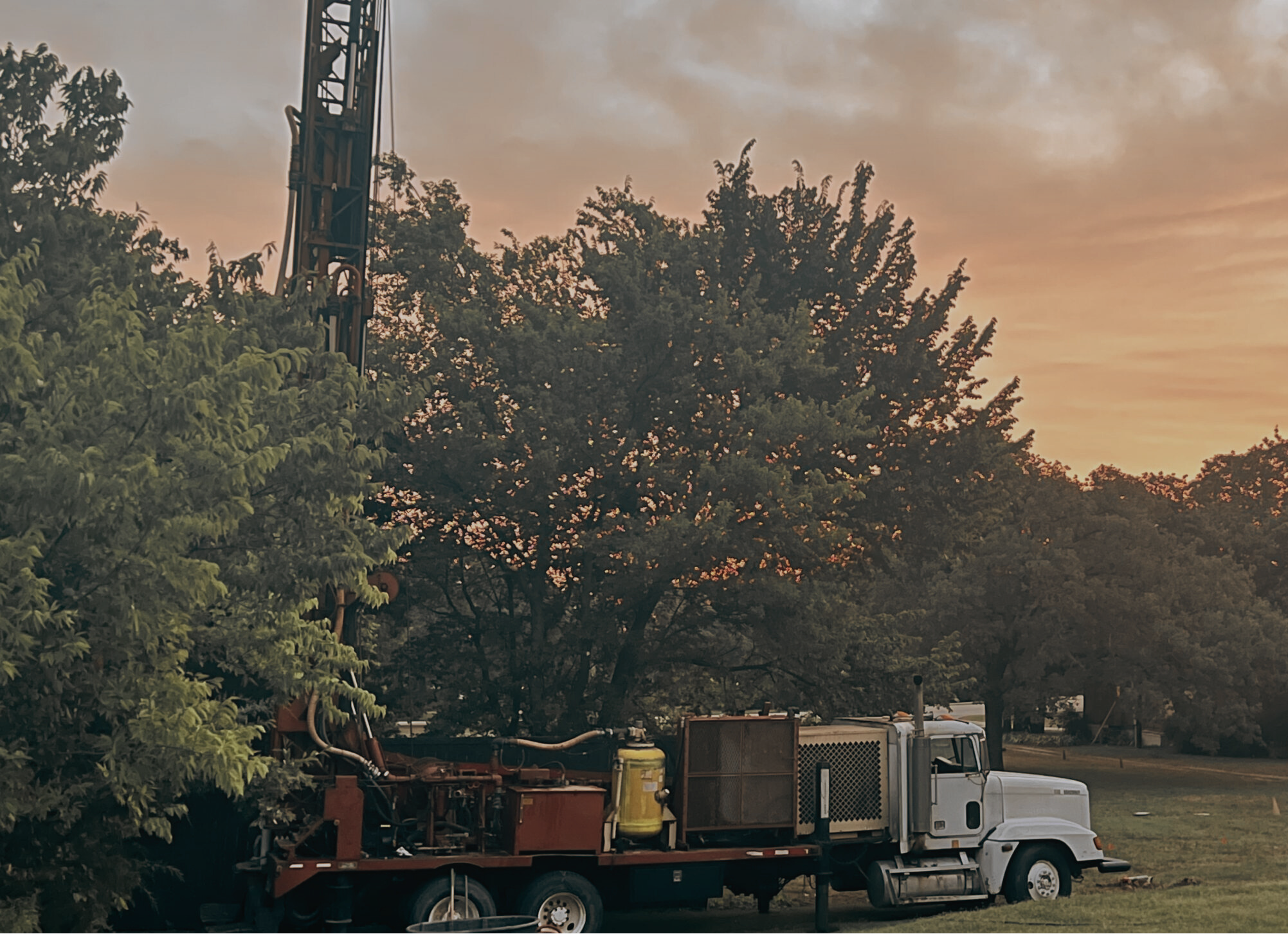
The city’s response tells you something important. Corpus Christi had previously been pursuing a desalination project as its long-term solution to water scarcity. That project has been canceled. Instead, the city is now drilling emergency groundwater wells.
The plan calls for those wells to produce up to 26 million gallons per day once fully operational. By November, permit-dependent, the city expects the first phase to deliver around 4 million gallons per day. That timeline is tight, and the permits are not guaranteed. But the direction is clear: when a major Texas city faces a genuine water emergency, it turns to groundwater.
This is worth pausing on. Desalination is expensive, energy-intensive, and requires infrastructure that takes years to build and finance. Groundwater wells, by contrast, can be permitted and drilled in a fraction of the time. The city of Corpus Christi did not choose wells because they are a last resort. They chose wells because wells work.
On March 15, Texas State University launched its “One Water Hub,” a new platform focused on water conservation and integrated water management across the state. The timing is not coincidental. Water security in Texas has shifted from a long-term planning concern to an immediate operational problem, and institutions are responding accordingly.
The Texas Water Crisis Is Not Limited to Corpus Christi
Here is what the Corpus Christi story obscures: this is not an isolated coastal problem caused by one dry season in South Texas.
North Texas aquifers face real and documented pressure. The Trinity Aquifer, which underlies much of the DFW region, has seen declining water table levels in parts of Tarrant, Dallas, and surrounding counties. The Edwards-Trinity system further west faces similar stress. Population growth in the Metroplex continues to outpace water infrastructure investment, and surface water reservoirs across North Texas have experienced multi-year stretches of below-average inflow.
The Corpus Christi crisis makes the front page because it is acute and dramatic. But aquifer depletion is a slower, quieter version of the same problem playing out across the state. The difference is that by the time a groundwater shortage becomes headline news, the options become more limited and more expensive.
DFW-area homeowners who depend entirely on municipal water supply are, in a very real sense, one prolonged drought away from the same conversation Corpus Christi is having right now. Municipal systems are designed with redundancy, but they are not unlimited. When the reservoirs drop, the utilities ration, restrict, and eventually cannot guarantee supply.
What This Means for Texas Homeowners
A private groundwater well does not solve the Texas water crisis. But it does solve your water crisis.
Homeowners with an operating well on their property have access to water that sits outside the municipal supply chain. During drought restrictions, during infrastructure failures, during the kind of emergency that Corpus Christi is managing right now, a well-equipped home has something most of its neighbors do not: a backup supply drawn directly from the aquifer beneath the property.
The smart move is not to wait until your municipality declares a shortage. By then, every driller in the state has a six-month backlog, permits are delayed, and you are competing with emergency municipal projects for equipment and crews.
The homeowners who made it through the 2011 Texas drought with stable water access were largely the ones who had already drilled. The lesson repeated itself during subsequent dry stretches. It will repeat again.
Pre-drill intelligence matters here. Before a homeowner commits to drilling, they need to know what is actually beneath their property. What aquifer layer is accessible? How deep is the water table? What have neighboring wells produced? What does the permit history on adjacent parcels look like? That information exists, but it is scattered across state databases, county records, and driller logs that are not easy to search.
That is exactly the problem TurnkeyWells was built to solve. TurnkeyWells functions as a property-level intelligence platform for groundwater. Think of it as the Zillow of wells: before you make a major decision about your property’s water supply, you can see what the data says about your specific location, access historical well records for your area, and connect with licensed drillers who know your local aquifer.
You do not have to guess whether your property can support a well. You can find out.
Do Not Wait for Your Own Crisis
Corpus Christi did not plan to be in this position. No city does. But the city is now drilling emergency wells under time pressure, with permitting uncertainty and Governor Abbott watching over its shoulder. That is not the position you want to be in as a homeowner.
Water security for Texas homeowners is a planning decision, not an emergency response. The groundwater well drilling Texas families need will not be faster or cheaper after a drought declaration. It will be more expensive, harder to schedule, and dependent on permit queues that may already be full.
The data on your property’s groundwater potential exists today. The licensed drillers who can execute the work are available today. The time to understand your options is before you need them.
Visit TurnkeyWells.com to pull a pre-drill intelligence report for your property, explore well history in your area, and connect with licensed drillers who serve DFW and surrounding counties. Take the first step toward water security while you still have the luxury of doing it on your timeline.
Get a Water Well Quote
Talk to a licensed Texas well driller. We manage your project from start to finish.
Ready to Understand Your Well?
TurnkeyWells is Texas’s most comprehensive water well data platform. Search your property, know your aquifer, find a driller.