
Texas real estate has a new disclosure requirement coming, and the deadline to weigh in on it is this Sunday, March 29.
The Texas Real Estate Commission proposed Form 61-0, the Water Notice, on February 9, 2026. The public comment period opened February 27 and closes March 29. The form takes effect May 4, 2026 — regardless of whether anyone submits comments.
This is not a minor update to an existing form. Form 61-0 is a brand new standalone document that has never existed before. It will be required for every Texas property transaction involving water wells or water rights. If you represent sellers or buyers in rural or semi-rural markets, this affects your deals starting in five weeks.
Here is what you need to know.
Why This Form Exists
The Texas Sunset Advisory Commission recommended this change after a review of TREC’s operations. Sunset reviews evaluate whether a state agency is doing its job effectively — and in this case, the recommendation was clear: Texas property sales needed a dedicated, standardized water disclosure form.
Before Form 61-0, water well and water rights information was scattered across other disclosure documents or left out entirely. Buyers often had no reliable way to know whether a well existed on the property, whether it was active or plugged, or whether the property sat inside a Groundwater Conservation District with usage restrictions.
TREC acted on the Sunset Commission’s direction. May 4 is locked in.
What Sellers Must Disclose
Form 61-0 requires sellers to disclose specific information about water resources on the property. The categories include:
Groundwater Conservation Districts
Sellers must indicate whether the property is located within a Groundwater Conservation District (GCD). These districts regulate groundwater pumping and can impose restrictions on well construction, use rates, and transfers. There are roughly 100 GCDs across Texas, and the rules vary significantly from one district to the next.
Water Wells
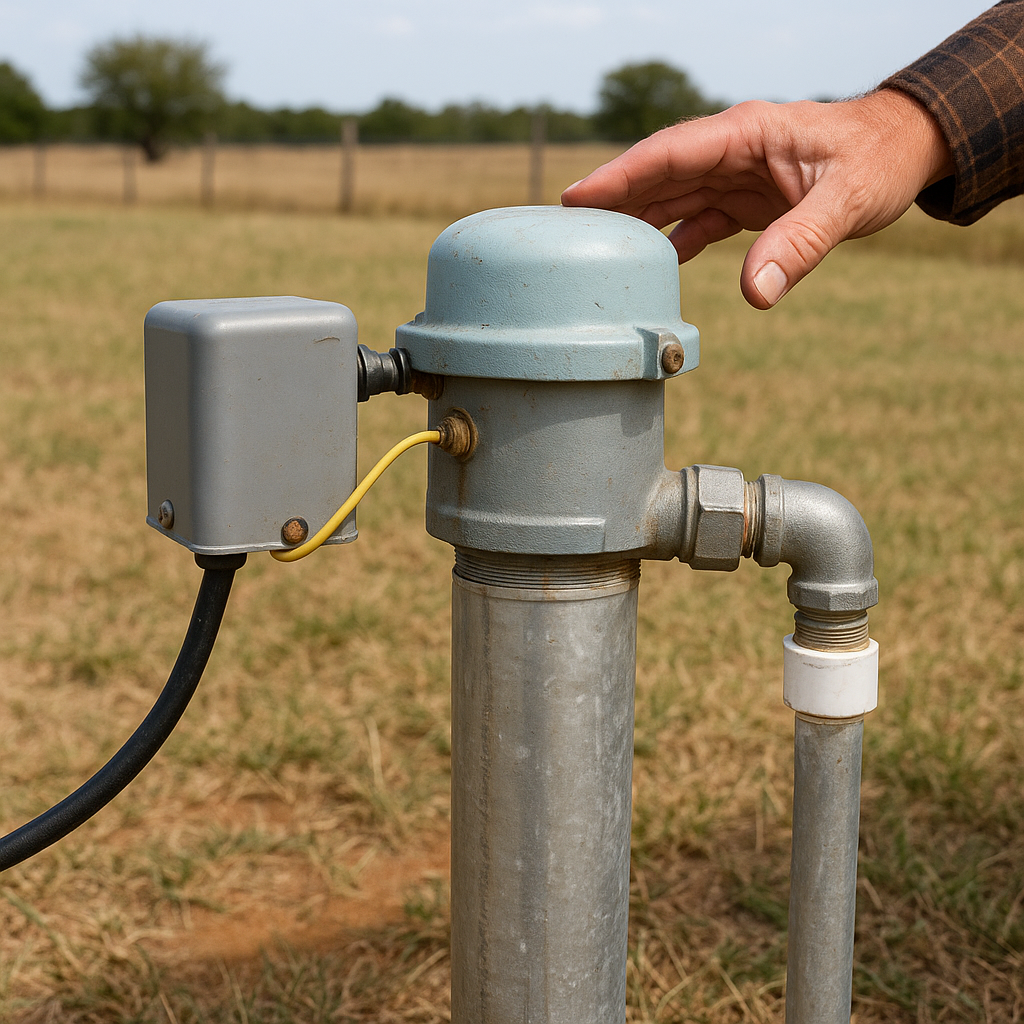
Sellers must disclose whether water wells exist on the property. If wells are present, the form requires the number of wells and whether each is active or plugged. A plugged well and an active well carry very different implications for the buyer — and for future development.
Surface Water Rights
If the seller holds any rights to surface water, those must be disclosed. This includes rights tied to rivers, streams, and other water courses running through or adjacent to the property.
Water Courses
The form also requires disclosure of water courses on the property. This is relevant to drainage, flooding, and potential restrictions on land use.
Why This Catches People Off Guard
The challenge with water disclosure is that the underlying data is harder to find than most agents expect.
A property may have a well that was drilled decades ago and never properly registered with the Texas Commission on Environmental Quality (TCEQ). Or the well registration exists, but it is still tied to a previous owner. Or the property sits inside a GCD the seller has never heard of because it was never mentioned during their own purchase.
None of those situations makes the seller legally off the hook once Form 61-0 is in effect.
This is where the due diligence process changes. Sellers and agents need a reliable way to look up well records and GCD boundaries before listing — not at the closing table.
How TurnkeyWells Fits In
TurnkeyWells built its platform specifically to surface this kind of water data for Texas properties. The database includes over 694,000 Texas well records, cross-referenced against GCD boundaries statewide.
A Well Check lets you enter a property address and get back the well records associated with that location — including registration status, well type, and whether the property falls inside a GCD. That information maps directly to what Form 61-0 requires.
Agents can run a Well Check before listing to help sellers answer the form accurately. Buyers can run one as part of due diligence to verify what the seller disclosed. Either way, the process takes minutes instead of hours of manual TCEQ searches.
For GCD verification specifically, the GCD Lookup tool shows which district covers a given property and provides basic district information. Given that the rules vary so much between districts, knowing which one applies is not a minor detail.
For properties where buyers are actively considering drilling, the Pre-Drill Intelligence Report provides aquifer data, well depth averages, and driller ratings for the specific area before any commitment is made.
What To Do Before May 4
If you are a listing agent: Start building Form 61-0 into your pre-listing process now. Ask sellers about wells, surface rights, and water courses at the first consultation. Run a Well Check on the property so you go into that conversation with data, not guesses.
If you are a seller: Do not wait for your agent to bring this up. If your property has a well — even one that has not been used in years — it needs to be disclosed. If you are not sure whether a well is plugged or active, that is worth finding out before you list.
If you want to comment on the form: TREC accepts public comments through March 29. Submit to general.counsel@trec.texas.gov. The form is not going away, but feedback on specific language or requirements may influence final wording.
Disclosure Is Step One. Transfer Is Step Two.
Form 61-0 requires the seller to disclose that a well exists. But disclosure does not transfer the well registration to the new owner. That is a separate step — and almost nobody does it.
When a property with a well changes hands, the well record in the TCEQ database still shows the previous owner’s name. The new owner is legally responsible for that well but has no record of ownership. The GCD has no way to reach them about permits, fees, or compliance notices. The well is effectively invisible to the regulatory system.
This is not a new problem. It has existed for decades. Form 61-0 makes it visible for the first time, because sellers now have to put the well on paper at closing.
The natural next step is transferring the registration. TurnkeyWells handles that process — identifying the correct GCD, completing the transfer forms, and submitting on behalf of the new owner. It is the piece of the closing workflow that Form 61-0 makes necessary but does not provide.
The Bottom Line
Form 61-0 takes effect May 4, 2026. That is five weeks from now. Texas sellers and agents who deal with rural land, acreage, or any property with a well need to understand what the form requires and have a process for gathering that information accurately.
The data exists. The tools exist. The question is whether you have a workflow in place before the effective date.
Learn more about TREC Form 61-0 and what it means for your transactions, or run a Well Check on a property you are working with now.
Check Your Property Before May 4
TREC Form 61-0 takes effect May 4, 2026. Run a free well check now so you are ready.
Run a Free Well Check