
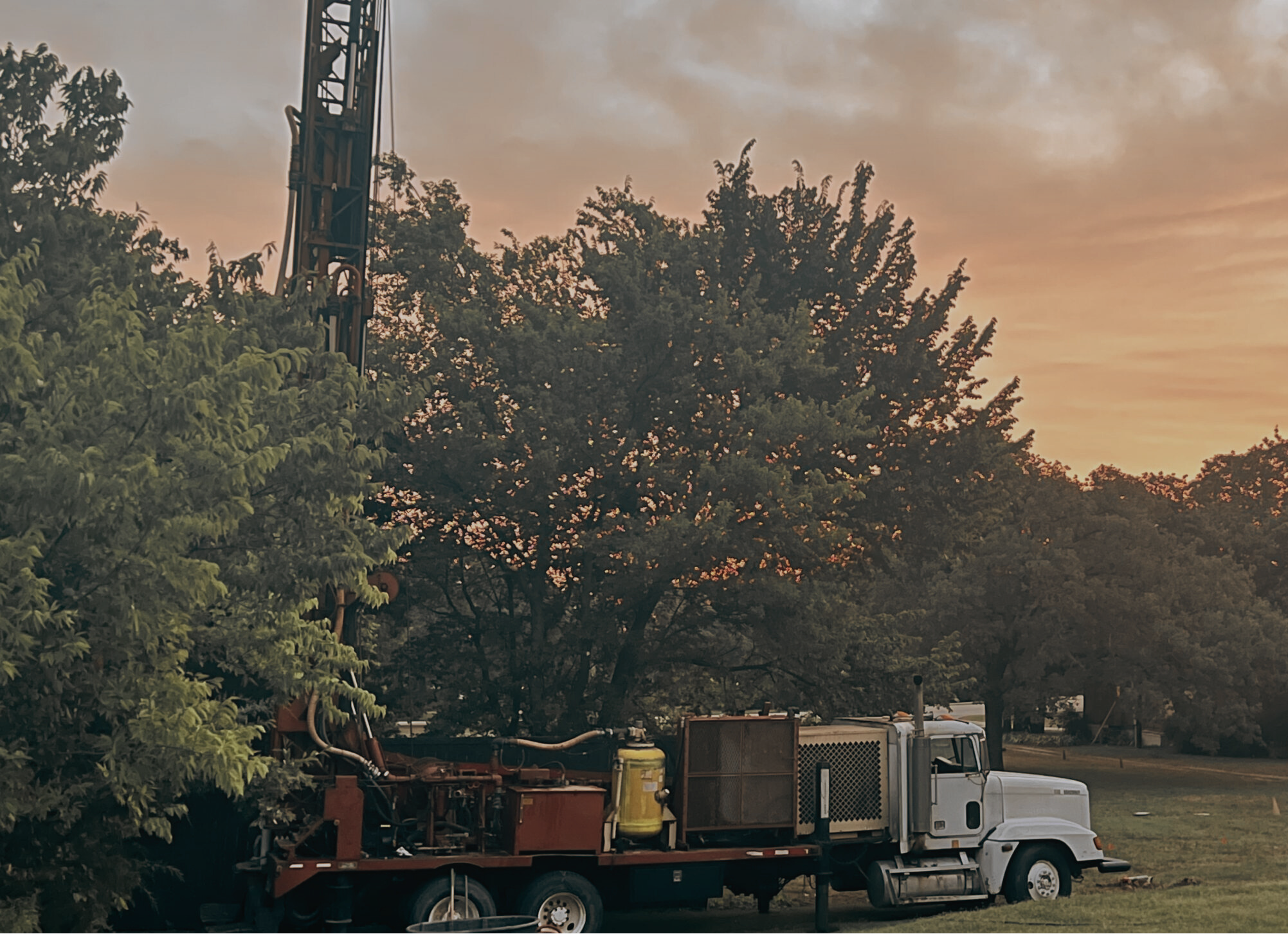
Water Well Drilling in Creek County, OK
347
Wells on Record
145 ft
Avg Well Depth
85-240 ft
Typical Range
Arkansas River Alluvial
Primary Aquifer
Water Well Drilling in Creek County, Oklahoma
Creek County is a growing area in central Oklahoma, with many rural properties relying on private water wells. Whether you live in Sapulpa, Bristow, Drumright, or out on acreage, TurnKey Wells provides professional water well drilling and pump services throughout Creek County.
Creek County Well Depth & Geology
With 347 permitted wells on record, Creek County has a well-documented drilling history across central Oklahoma. Average depth runs 145 ft. The county sits over the Arkansas River Alluvial Aquifer, a productive shallow formation that runs along the river corridor and supports reliable domestic and agricultural wells. Depth to water varies across the county - properties closer to the river tend to be shallower, while upland areas may require drilling to the lower end of the typical range.
- Average depth: 145 ft
- Depth range: 85-240 ft (domestic: typical range varies by location)
- Primary aquifer: Arkansas River Alluvial Aquifer
- Most common use: Domestic - also irrigation, stock & commercial
Understanding the Geology and Aquifers in Creek County
Before we ever put a bit in the ground, one of the first things I want to know about a property is what formation we’re likely to hit - and at what depth. Creek County sits on Arkansas River Alluvial Aquifer country, which is a productive shallow formation composed of sand, gravel, and silt deposited by the Arkansas River and its tributaries. It’s one of the more reliable aquifers in central Oklahoma for domestic and agricultural use. Every county in Oklahoma has its own geological personality, and Creek County is no exception.
The Oklahoma Water Resources Board (OWRB) maintains a statewide database of well records going back decades. That data tells us a lot: where water has historically been found, at what depths, and what yields property owners have seen. We study those records before we quote a single job. It doesn’t guarantee what we’ll find on your specific parcel - geology doesn’t work that way - but it gives us a strong baseline to work from.
When I’m looking at a property in Creek County, here’s what I’m thinking about:
- Formation type: Alluvial formations along the Arkansas River corridor produce strong domestic yields. Properties farther from the river may encounter different formations at varying depths.
- Depth to water: This is the number that drives cost more than anything else. Shallower water means less steel casing, less drilling time, and lower overall cost.
- Water quality at depth: Alluvial aquifers can be susceptible to surface infiltration; water quality testing is especially important here.
- Neighbor well data: Nearby well records are the single best predictor of what you’re likely to find on your land.
The bottom line: drilling a well in Oklahoma isn’t a guess, but it does require experience reading the geology. That’s why you want a driller who’s put holes in the ground across your specific county - not just someone who drills wherever the phone rings.
The Water Well Drilling Process in Creek County
A lot of property owners have never had a well drilled before, and they’re not sure what to expect. Fair enough - most people don’t deal with this more than once or twice in a lifetime. Here’s how the process typically goes from first call to water flowing in your home.
Step 1: Site Assessment
We’ll talk through your property, look at neighboring well data, and in many cases visit the site before we ever quote the job. We want to pick a drill site that maximizes your chances of hitting a productive formation - away from septic systems, drainage areas, and other potential contamination sources. Oklahoma law requires minimum setback distances, and we follow those to the letter.
Step 2: Permitting
In Oklahoma, water wells require a permit through the Oklahoma Water Resources Board (OWRB) before drilling begins. We pull the permit - you don’t have to chase down paperwork. Permit fees typically run $500-$1,500.
Step 3: Drilling
We mobilize our rig, set up the work area, and start drilling. Depending on depth, a residential well in Creek County can take one to three days. We use rotary drilling methods appropriate for the local alluvial formations, and we log the geology as we go. When we hit a water-bearing zone, we test flow rates before setting casing.
Step 4: Casing and Grouting
Steel casing is set into the borehole and grouted in place to protect the well from surface contamination. This step is non-negotiable - a properly cased well protects your water supply for the life of the well. We use schedule 40+ steel casing and follow all ODEQ requirements for annular grouting.
Step 5: Pump Installation
Once the well is drilled and tested, we install the submersible pump, pressure tank, and control panel. We size the pump to your specific yield and household demand. A properly sized pump system means consistent water pressure and a pump that lasts - typically 15-25 years with proper maintenance.
Step 6: Water Testing
We strongly recommend a baseline water test after drilling. Knowing what’s in your water lets you choose the right treatment system from day one. We can connect you with a certified lab or handle the sampling ourselves.
What Does a Well Cost in Creek County?
Residential drilling in Creek County typically runs $25,000–$80,000+ depending on depth and which formation you hit. The depth range here means site-specific conditions matter more than any ballpark figure.
- Per-foot rate: $65-$120/ft
- Pump & pressure system: $3,000-$8,000
- Permits: $500-$1,500
Water Well Permitting in Creek County, Oklahoma
Oklahoma groundwater is managed at the state level through the Oklahoma Water Resources Board (OWRB). The OWRB sets rules for permitting, spacing, and reporting requirements across the state. Here’s what you need to know before you drill in Creek County.
Who Issues the Permit?
The OWRB is responsible for issuing the drilling permit for water wells in Oklahoma. We’ll handle the permit application on your behalf and make sure everything is in order before the rig rolls onto your property.
What the Permit Covers
A standard residential well permit covers the initial drilling and completion of a new water well. It does not automatically cover pump installation, irrigation wells, or commercial-use wells - those may require separate permits or notices. The permit also establishes setback requirements from property lines, septic systems, and other wells.
Oklahoma Licensed Driller Requirement
Oklahoma law requires that all water wells be drilled by a licensed water well driller registered with the OWRB. This protects you - an unlicensed driller has no accountability if something goes wrong, and an improperly drilled well can be a serious liability on your property. Always verify your driller’s license before signing anything. TurnKey Wells works only with fully licensed and insured drillers in the state of Oklahoma.
Reporting and Records
After drilling is complete, your driller is required to submit a Well Report (also called a driller’s log) to the OWRB. This report records the geology encountered, the depths drilled, the casing specifications, and the water level data. This becomes part of the permanent public record for your property - useful for future owners, insurance purposes, and if you ever need to service or deepen the well.
Common Water Quality Issues in Creek County Wells
Private well owners in Oklahoma are responsible for the quality of their own water. Unlike city water, which is tested and treated continuously, well water is only as good as the aquifer it draws from - and the condition of the well itself. The Arkansas River Alluvial Aquifer in Creek County can be susceptible to agricultural and surface runoff contamination, making baseline water testing especially important for new wells.
Hardness
Hard water - water with elevated calcium and magnesium - is common in central Oklahoma. It’s not a health concern, but it wrecks water heaters, leaves scale on fixtures, and makes soap less effective. Most of our customers in Creek County end up installing a water softener, and we can recommend sizing based on your water hardness level and household size.
Iron and Manganese
Iron and manganese occur naturally in many Oklahoma aquifers, including alluvial formations. At elevated levels, they stain laundry, discolor water, and give it a metallic taste. Both are treatable with proper filtration - iron filters or oxidizing systems are commonly used. A water test will tell you exactly where your levels fall.
Total Dissolved Solids (TDS)
TDS is a measure of all dissolved minerals in your water. High TDS isn’t always a health issue, but it affects taste and can accelerate scaling in appliances. Some zones in Creek County produce higher TDS water; others are much cleaner. Depth matters - and proximity to the river corridor can influence mineral content.
Bacteria
A new well should be disinfected and tested for coliform bacteria before use. This is standard practice - not a sign that something went wrong. Alluvial aquifers are more vulnerable to surface infiltration than deep confined aquifers, making disinfection and testing especially important. We disinfect every well we drill before we turn it over to you.
Nitrates
Nitrates are a concern near agricultural land, particularly where fertilizer use is heavy. Creek County has significant agricultural activity, so nitrate testing is worth doing upfront. Elevated nitrate levels are a health risk for infants and pregnant women. Reverse osmosis systems are effective at reducing nitrates to safe levels.
Creek County Service Areas
We serve all of Creek County: Sapulpa, Bristow, Drumright, and surrounding rural areas.
Ready to Drill in Creek County?
Call 817-839-4728 or get a free estimate online.