Chambers County, Texas
Water well drilling in Chambers County
TurnKey Wells helps Chambers County property owners move from questions to a clear drilling estimate. Tell us where the property is and what the well needs to support.
- Address-based project intake
- Property-specific planning
- Clear next steps
Have land in Chambers County? Start with the property address and your water needs.
What nearby household well records tell you
Chambers County has 916 usable domestic total-depth records. Their median reported depth is 280 feet, and the middle half runs from 172 to 331.25 feet. The 90th-percentile marker reaches 470 feet, while the full recorded domestic range runs from 20 to 610 feet.
Pump entries answer a different question. Among 825 usable domestic pump-depth records, the median is 120 feet, the middle band runs from 80 to 140 feet, and the 90th-percentile marker is 168 feet. A pump setting should never be substituted for finished total depth.
These countywide markers describe historical records, not the next well. A property comparison still depends on coordinates, nearby domestic records, original reports, construction details, intended demand, and a licensed driller’s field judgment.
Recorded domestic well depths
The middle half of reported domestic total depths
The 280-foot median describes this historical countywide sample; it is not a recommended depth for a property.
Chambers County records serve different purposes
The county file is not one group of identical water wells. Separating household wells from monitoring, environmental, industrial, public-supply, and other records makes the local depth picture more useful.
Domestic wells
Usable household total-depth records. The median is 280 feet, the middle half runs from 172 to 331.25 feet, and the 90th-percentile marker is 470 feet.
Domestic pump entries
Usable household pump-depth records. The median is 120 feet, the middle half runs from 80 to 140 feet, and the 90th-percentile marker is 168 feet.
Monitoring and environmental records
This total includes 439 monitor records and 159 environmental soil borings. Their shallow profiles describe different work and should not anchor a household depth expectation.
Industrial and public-supply records
This total includes 54 industrial and 49 public-supply records. Their demands and deeper upper tails make them poor household budget substitutes.
Groundwater Database context
Of the 699 Chambers County Groundwater Database rows, 678 carry the Gulf Coast label. The label supplies regional context, not a property prediction.
Keep total depth, pump depth, and other uses separate
Shallow monitoring and boring records can pull a blended county figure below the domestic profile. Industrial and public-supply wells can distort the comparison in the other direction.
Source and method: Texas Water Development Board Submitted Driller’s Reports. Chambers County records were grouped by reported use, and depth summaries use positive numeric values. Countywide historical records are planning context, not a property prediction. Data accessed September 9, 2026.
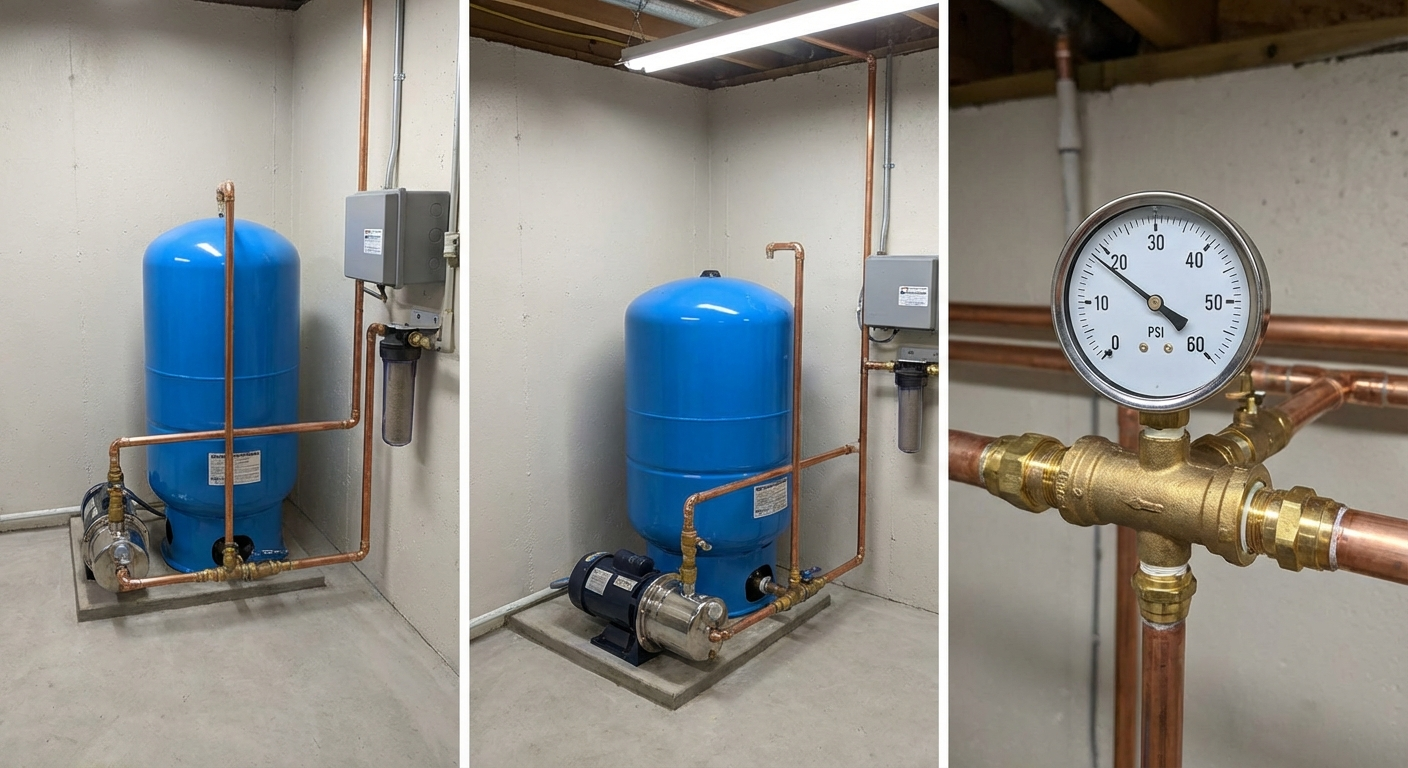
The complete job is more than drilling by the foot
A useful drilling estimate should account for the property, how the water will be used, and the equipment needed to deliver it. Historical footage alone cannot define the complete scope.
Property access
Share the property address and known access information so the contractor can determine what drilling equipment and support vehicles will require.
Water demand
Describe household use, livestock, irrigation, storage, and peak daily needs. Different demands can lead to different equipment and system choices.
Pump and power
Ask how pump selection, controls, electrical service, pressure equipment, trenching, and line runs are handled in the proposal.
Complete installation
Confirm the scope for casing, testing, storage, treatment if supported by property-specific testing, plumbing, startup, and cleanup.
Get a drilling estimate built around what your Chambers County property needs.
Share the address, intended use, and timing. TurnKey Wells will follow up to understand the project and explain the next step.
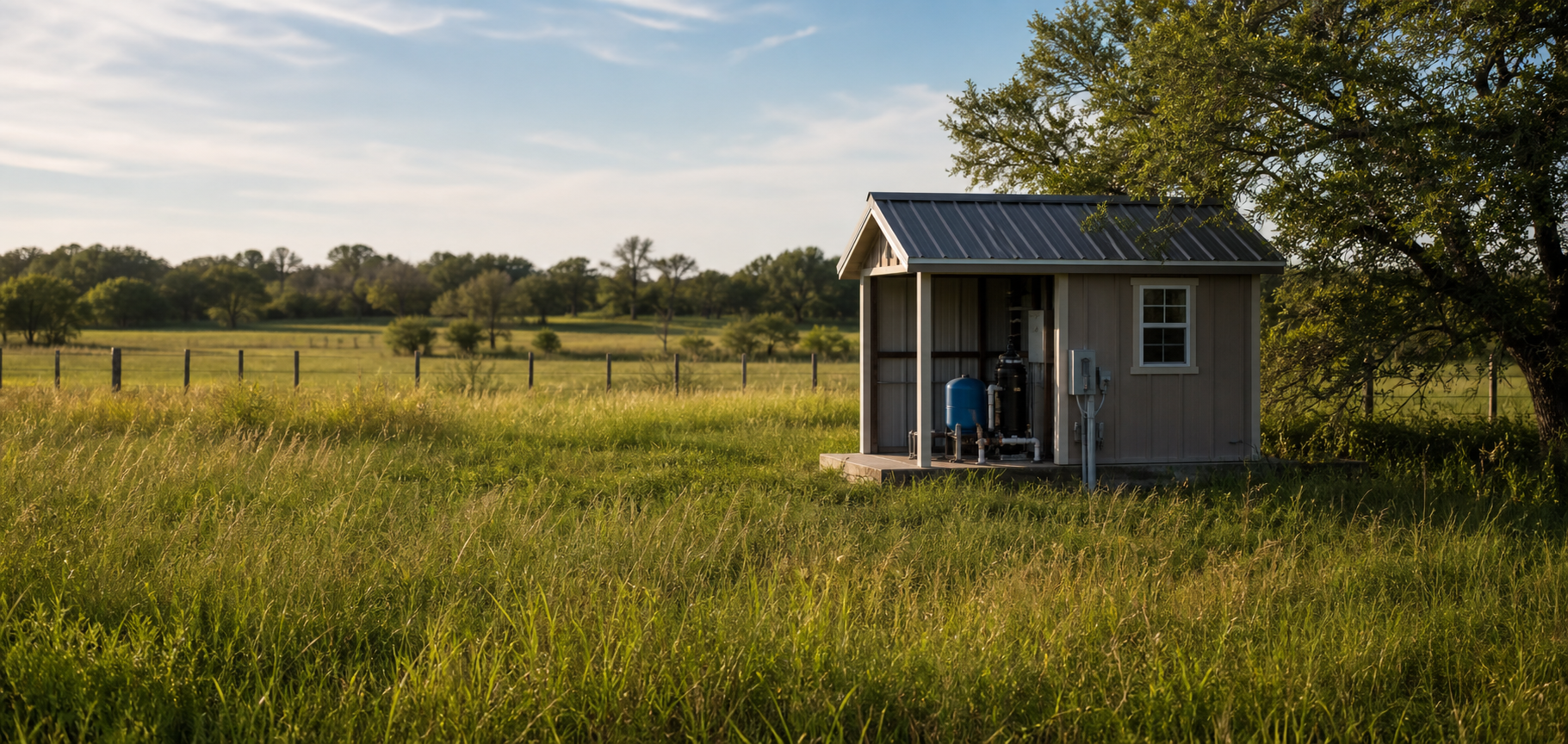
A completed private-water system may include drilling, casing, a pump, controls, pressure equipment, power, trenching, testing, and cleanup.
Know what should be included before work begins
A drilling quote is easier to compare when each major piece is visible. Total depth is only one part of a working private-water system, and county depth markers are not contractor prices.
- Mobilization and setup
- Drilling and casing
- Pump and controls
- Pressure tank
- Power and trenching
- Storage and treatment if supported by testing
- Water testing
- Site cleanup
Pre-Drill Intelligence Report
The county information on this page shows broad patterns. The paid report narrows the research to one Chambers County property before you compare drilling quotes or choose the next step for your land.
- Nearby recorded wells and reported depths
- A domestic-record comparison tied to location
- Aquifer and rule questions that need confirmation
- A clearer list of unknowns for contractor conversations
Understand the records before you drill. See nearby recorded depths, Gulf Coast Aquifer context, and location-specific rule questions organized around your property so you can ask better questions before drilling begins.
From property address to drilling conversation
Tell us about the property
Share the address, how the water will be used, and when you hope to begin.
We review the project
TurnKey Wells looks at the location and follows up for the details needed to discuss the estimate.
Plan the drilling work
You receive a clear next step for the drilling quote and complete water system.
Plain answers before you plan the work
How deep are domestic wells in Chambers County?
The county file contains 916 positive domestic total-depth records with a 280-foot median. The middle half runs from 172 to 331.25 feet, and the 90th-percentile marker is 470 feet. These are historical countywide markers, not a recommended depth for a property.
What do the pump-depth records show?
Among 825 positive domestic pump-depth records, the median is 120 feet, the middle half runs from 80 to 140 feet, and the 90th-percentile marker is 168 feet. Pump setting and finished total depth answer different questions.
Can county records predict depth or yield on one property?
No. County patterns are a starting point. A useful decision requires nearby comparable records, source documents, exact-location checks, and licensed field judgment.
Does a Gulf Coast label identify the producing interval?
No. The label provides regional context. It does not identify a producing sand or predict depth, yield, or water quality for a property.
Does HGSD permit wells in Chambers County?
No. The Harris-Galveston Subsidence District says its regulatory authority is limited to Harris and Galveston counties. Its reporting about Chambers County subsidence does not make it the permitting authority there.
Do 560 plugging records mean a property has an abandoned well?
No. The 560 rows are a countywide total. Confirm any candidate record against its report, coordinates, ownership history, and property documents.
Water well planning across Chambers County
TurnKey Wells provides well-record research and planning support across Chambers County, including Anahuac, Mont Belvieu, Beach City, Cove, Old River-Winfree, Oak Island, Winnie, Stowell, Wallisville, Hankamer, Smith Point, and the Chambers County side of Baytown. Availability and project requirements should be confirmed for the exact address.
Tell us about your Chambers County property.
Send the basics and TurnKey Wells will follow up to learn what you need, answer initial questions, and discuss the next step toward a water well drilling quote.
- No long questionnaire
- A real follow-up about your property
- Clear options for drilling and pre-drill planning
Request a Water Well Drilling Quote
Tell us where the property is and what the well needs to support.
Your information is used to respond to this request. Privacy Policy