Texas Private Well Maintenance
Maintaining a Private Well on a Vacant Property in Texas
What owners, heirs, buyers, and sellers should check before a home sits empty
A private well does not like being forgotten just because the house is empty. Texas heat, storms, power loss, leaks, and stale records can turn a quiet vacancy into a bigger repair or closing problem if nobody checks the system before the property sits idle.
Quick Answer
Biggest vacancy risks
Leaks, power interruptions, pressure loss, untreated water-quality changes, and missing documentation usually create more trouble than the well simply sitting unused.
Before leaving the property
Inspect the wellhead, check the pressure system, confirm shutoffs, document the equipment, and decide whether the home should stay powered and conditioned.
Before turning water back on
Recheck for leaks, sediment, odor, and pressure issues, then use certified lab testing when water safety is a concern or the home has sat idle for a long stretch.
Texas real estate angle
Vacant rural homes can hide well problems from buyers and heirs, so the current condition of the system should line up with TREC Form 61-0, inspection notes, and recent records.
What Changes When a Private Well Sits on an Empty Texas Property
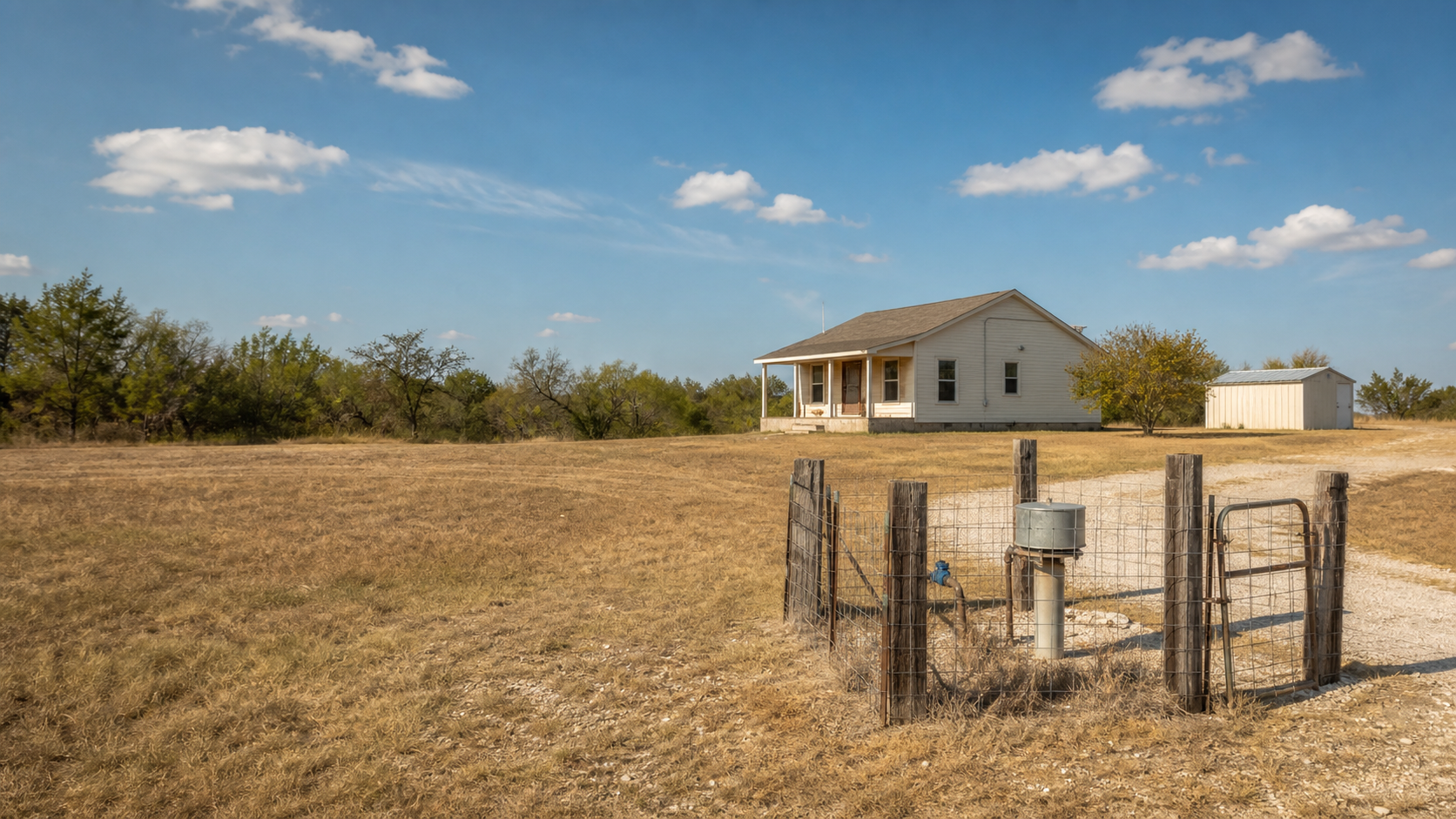
Vacancy strips away the normal warning signs. No one may hear the pump click on too often, catch seepage under a pressure tank, or notice runoff pooling near the casing after a storm. The plumbing can stay quiet while the equipment still absorbs Texas heat, moisture swings, breaker trips, and skipped service. A smart vacancy plan therefore covers the hardware itself and the records that explain what condition it was in when the house was locked up.
The right plan changes with the situation. A short gap before a tenant arrives is not the same as a probate property, a hunting place, or a listed rural home that may sit empty through a long Texas summer. The key is refusing to assume the well will simply pause while human activity stops. During a sale, inheritance handoff, or between-owner holding period, clearer notes and fresher checks usually carry more weight, not less.
Vacant-property well maintenance checklist
- Inspect the wellhead, cap, casing, and drainage around the well before the house is left unattended.
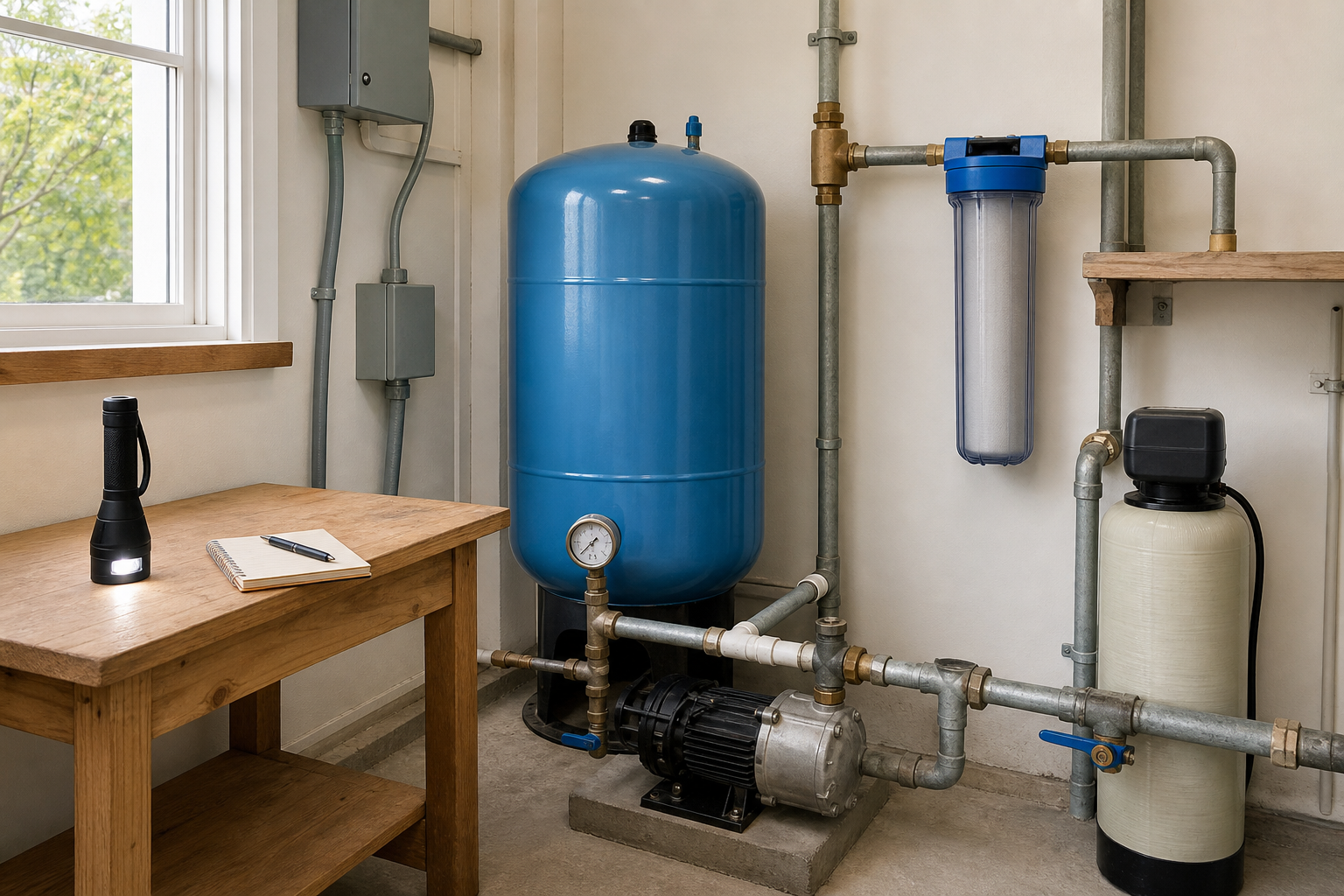
- Check the pressure tank, filters, treatment equipment, shutoff valves, and visible plumbing for leaks or corrosion.
- Decide whether the system should remain energized, partially shut down, or professionally winterized based on vacancy length and season.
- Photograph the equipment, record the current condition, and save pump invoices, test reports, and repair notes in one file.
- When the property will be vacant for a long stretch, plan a return inspection before normal occupancy resumes.
- If the water has changed in taste, smell, color, or sediment level, use certified lab testing before anyone relies on it again.
Texas-Specific Vacancy Risks Owners Tend to Underestimate
Texas vacancy trouble is not limited to winter snaps. Pump houses and utility closets can bake in August, thunderstorms can kill power for hours, and runoff can wash mud toward the wellhead even when the living area still looks fine. Many rural places also hide treatment gear, softeners, or irrigation tie-ins in sheds that run hotter than the main structure. From the driveway everything can seem quiet while the actual well equipment is cooking, damp, or unmonitored.
Vacancy can also make it harder to separate a water-quality issue from a simple plumbing issue. If a property has been idle, the first signs after reactivation might be odor, metallic taste, sediment, or sputtering faucets. Some of those are nuisance problems, and some point to conditions that deserve deeper review. That is why this topic overlaps with pages on how often to test private well water in Texas and private well inspection before closing. The answer is usually a combination of observation, record review, and targeted testing rather than guesswork.
What to Inspect or Document Before the Home Sits Empty
Start with the visible system. Check whether the well cap is intact, whether the casing area stays dry, whether the pressure tank looks sound, and whether any filter housings, unions, or valves already show seepage. If the property has a pump house, note whether the room is clean, secure, and protected from obvious water intrusion. Small maintenance issues are cheaper when found before a long vacancy than after a buyer, tenant, or family member returns and expects everything to work immediately.
Then clean up the paper trail. Save the last water test, the last pump or tank invoice, the date of the last service call, and any notes about how the system normally behaves. If the property may sell soon, this file counts almost as much as the inspection itself. A buyer or agent does not just want to hear that the well worked last spring. They want to know what was checked, when it was checked, and what still remains uncertain.
What a Professional Usually Checks Before or After a Long Vacancy
A qualified water well professional can help determine whether the system should stay active, be partially shut down, or be restarted with a more careful inspection plan. That review often includes the pressure system, pump controls, filtration, treatment equipment, leak points, visible electrical condition, and the sanitary condition of the wellhead area. On a restart, a pro may also help distinguish normal reactivation issues from a real equipment problem.
If the property has already been sitting empty and the water now smells off, looks cloudy, or behaves strangely, do not treat a quick flush as proof that everything is fine. For water safety concerns, rely on certified lab testing, local health department guidance where relevant, and qualified water well or water treatment professionals. TurnkeyWells does not provide medical advice, and TurnkeyWells is not the drilling or repair contractor.
Buyer, Seller, and Inherited-Property Angle
Vacant homes come up constantly in Texas real estate. Sometimes it is a seller who moved out before listing. Sometimes it is an inherited property where nobody has lived full-time on site for months. Sometimes it is a buyer looking at acreage with an older house that has been lightly used or empty. In all of those cases, a vacant well system creates a disclosure and due-diligence problem as much as a maintenance problem.
Buyers should not assume an empty house means a low-demand well system is automatically fine. Sellers should not assume a currently quiet system needs no explanation. If the tract may need deeper context, the Pre-Drill Intelligence Report can help frame nearby well conditions, while a Free Well Check helps review the public record side of the file. If the home will close soon, compare the physical condition of the property with the disclosure story and related guidance on seller record gaps and TREC Form 61-0.
Where TurnkeyWells Fits
TurnkeyWells helps property owners, heirs, buyers, and sellers organize the record side of a private-well question, understand what should be checked next, and connect customers with qualified local water well professionals when field work is needed. That means helping clarify the issue, the inspection question, or the maintenance concern before a vacant-property surprise turns into a bigger repair or closing problem.
Common Questions About Vacant Private Wells
Should a private well be turned completely off when a Texas house is vacant?
Sometimes, but not always. The right approach depends on vacancy length, season, treatment equipment, and whether the system needs freeze protection, circulation, or controlled power. A local professional can help decide the safer shutdown or standby plan for that property.
Does a vacant house need new water testing before someone moves back in?
Fresh testing is wise when the property has been empty for a long time, the water changed after reactivation, or there is any safety concern. Certified lab testing counts more than taste or appearance when the question is whether the water is safe to use.
Can TurnkeyWells repair or drill the well?
No. TurnkeyWells helps review records, frame the next steps, and connect property owners with qualified local water well professionals when field work is needed.
Do the Well Check Before Vacancy Turns Into a Bigger Problem
TurnkeyWells can help review the vacant-property well question, organize the records, and show what should happen next before the house sits longer or the next owner steps in blind.
Start with a Free Well CheckNeed help with a vacant-property well?
Ask TurnkeyWells to review the maintenance or inspection concern.
Tell us what is happening with the private well, how long the property may sit empty, and whether the question is about maintenance, a buyer or seller deadline, inheritance, or restarting the house after vacancy. TurnkeyWells can help review the issue, inspection question, or maintenance concern and connect the visitor with a licensed water well professional in their area when field work is needed.
TurnkeyWells helps organize records, next steps, and qualified local referrals. TurnkeyWells is not the drilling or repair contractor.